Spoek Mathambo - Flipper: Sghubu Indie Flips (2026)
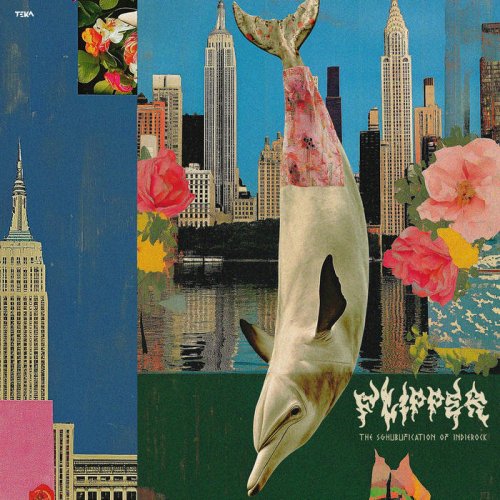
Artist: Spoek Mathambo
Title: Flipper: Sghubu Indie Flips
Year Of Release: 2026
Label: Teka
Genre: Afro, House, Electro, Disco, Afrobeat, Techno
Quality: 16bit-44,1kHz FLAC
Total Time: 31:41
Total Size: 211 mb
WebSite: Album Preview
TracklistTitle: Flipper: Sghubu Indie Flips
Year Of Release: 2026
Label: Teka
Genre: Afro, House, Electro, Disco, Afrobeat, Techno
Quality: 16bit-44,1kHz FLAC
Total Time: 31:41
Total Size: 211 mb
WebSite: Album Preview
1. I Don't See it That Way (02:41)
2. Ring of Fire (02:43)
3. Time to Pretend (03:42)
4. Melt Away/New Slang (02:49)
5. When We Were Young (02:18)
6. The Charming Man (02:15)
7. Moonwalking in Reverse (01:56)
8. I Predict A Riot (03:42)
9. I Wanna Be Adored (03:03)
10. All is Full of Love (02:18)
11. Sexistencial Crisis (02:28)
12. Cosmic Dancer (01:46)
If you ever wondered what The Smiths might sound like if they were reborn in Soweto under strobe lights, or what MGMT’s glittery nihilism would do over a kwaito groove—Spoek Mathambo just answered your question with a knowing smile and a thunderous bassline.
His latest project, Flipper: The Sghubufication of Indie Rock, is a genre-defying, soul-sparking, dancefloor-haunting reimagination of Western indie rock and classic rock anthems—steeped in the molten, groove-soaked brew of South Africa’s most vital sounds.
This is not a remix album. It’s an Afro-electronic séance. A genre collision. A resurrection.
“It started as a tribute to my friend Angie,” Spoek says. “She was the plug. She passed, and I needed to honor her. Next thing I knew, I was sghubulising MGMT.”
Sghubulisation 101: Turning Indie Into Township Gold
The word here—sghubulisation—is Spoek’s own invention. Think Afrobeats meets kwaito meets Afrotech, all slow-cooked and pressure-boiled against the gleam of indie rock nostalgia. It’s not parody. It’s not pastiche. It’s alchemy.
A new Black sonic ownership of a largely white canon.
The iconic indie banger “Time to Pretend (Disco Boys)” kicks the album off with immediate intent: the synth hook is there, but it’s warped, syncopated, alive. It pulses through the speaker like it’s been possessed by a township drumline and a disco fever dream. It sets the tone—an emotional reflip that’s just as likely to make you cry as it is to make you grind.
Then comes “Melt Away/New Slang”—a double feature drenched in melancholy and murk. Spoek replaces sad-boy guitars with rolling percussive undercurrents and electronic sighs, turning the mood from introspective to spiritual.
Other flips push even further into the surreal. “Ring of Fire” becomes “Eye of Fire”, a Johnny Cash fever hallucination, while “I Wanna Be A Door” (yes, you read that right) smashes The Stone Roses’ dreamy shoegaze into a low-slung, bass-heavy existential funk.
Sghubulisto: The Groove That Refuses to Behave
The heart of Flipper is the sghubulisto rhythm—South African, off-beat, slippery, and impossible to sit still through. It’s that gqom-spirit-meets-kasi-funk groove that refuses 4/4 structure. It swings and jerks like a body breaking free.
Spoek harnesses that energy to liberate these indie classics from their original contexts—mostly Euro-American, mostly white, mostly polite. Here, they become new, weird, Black, and global.
And yet, there’s no irony. No mocking. This is love. Spoek grew up on these tracks. Now he’s flipping them with the tools of his own culture, and giving them back to the world—hotter, rawer, realer.
From Riot to Ritual
The energy peaks on tracks like “I Predict A Riot of Note”, where the Kaiser Chiefs’ original becomes a politically-charged, sweat-soaked dancefloor riot anthem. The Smiths’ “This Charming Man” is resurrected as “A Charming Man”—a shimmering, groove-drunk funk monster with ghostly echoes of Morrissey buried under township filters.
“All is Full of Love” floats Björk into a soft Afrotech dreamscape, while “Cosmic Dancer” closes the album on a whisper—delicate, spacious, divine.
And then there’s “Sexistential Crisis”—an original, not a flip, and maybe the real core of the project. It’s anxious, funny, sensual, spiritual. It’s the album’s thesis: that grief, desire, humor, and cultural rebellion all dance in the same room.
Flipper Is a Portal
Flipper is not just a tribute to a friend. It’s not just a remix of indie rock. It’s a cultural remix of the highest order—channeling the global South’s sound systems, township patios, and neon-lit house parties into the bones of a once-colonial playlist.
It’s a reminder that all music can be transformed—sghubulised—into something that moves the body and heals the spirit.
In Spoek’s hands, indie rock doesn’t just get flipped. It gets free.
Recommended if you like: rocker trapped in a Johannesburg taxi, or dancing through a mid-2000s indie rock funeral with your shirt off and your soul intact.

![Thelonious Monk - Thelonious Alone In San Francisco (Remastered 2026) (1959) [Hi-Res]](https://www.dibpic.com/uploads/posts/2026-04/1775141691_cover.jpg "Thelonious Monk - Thelonious Alone In San Francisco (Remastered 2026) (1959) [Hi-Res]")