Orfeo Orchestra, Purcell Choir & György Vashegyi - Stuck: Polydore (2023) [Hi-Res]
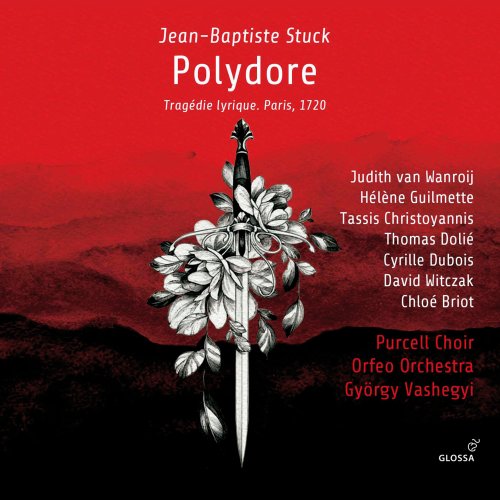
Artist: Orfeo Orchestra, Purcell Choir, György Vashegyi
Title: Stuck: Polydore
Year Of Release: 2023
Label: Glossa - GCD 924014
Genre: Classical, Baroque, Opera
Quality: FLAC (tracks) 24/48, FLAC (tracks)
Total Time: 02:37:46
Total Size: 1.85 GB / 973 MB
WebSite: Album Preview
Tracklist:Title: Stuck: Polydore
Year Of Release: 2023
Label: Glossa - GCD 924014
Genre: Classical, Baroque, Opera
Quality: FLAC (tracks) 24/48, FLAC (tracks)
Total Time: 02:37:46
Total Size: 1.85 GB / 973 MB
WebSite: Album Preview
CD 1 - 01:00:25
Polydore, Tragédie en musique in a Prologue and Five Acts (1720) -
01. Prologue: Overture - [02:16]
02. Prologue: Air. Que rien ne trouble nos concerts ... Fiers aquilons, vents orageux ... (Le Triton) - [02:50]
03. Prologue: Fiers aquilons, vents orageux ... (Chorus) - [01:35]
04. Prologue: Recitative. Tritons, faites silence ! ... (Neptune, Thétis) - [00:34]
05. Prologue: Duet. Élevez vos voix jusqu'aux cieux ... (Neptune, Thétis) - [01:01]
06. Prologue: Élevons nos voix jusqu'aux cieux ... (Chorus) - [02:07]
07. Prologue: Loure pour les Tritons et les Néréides - [01:01]
08. Prologue: Air. Vénus, ton aimable empire ... (Thétis) - [00:40]
09. Prologue: Bourrée pour les Tritons et les Néréides - [00:49]
10. Prologue: Prelude - [00:24]
11. Prologue: Recitative. Mais, quel éclat nouveau ... (Thétis, Neptune) - [00:30]
12. Prologue: Descente de Venus - [01:10]
13. Prologue: Recitative. Que je suis sensible à l'hommage ... (Vénus) - [01:27]
14. Prologue: Sarabande pour les gâces - [01:24]
15. Prologue: Air pour les jeux et les plaisirs - [00:45]
16. Prologue: Ici tout s'empresse ... (Thétis) - [01:09]
17. Prologue: Air pour une grâce et un Triton - [01:18]
18. Prologue: Air. L'amour triomphe de nos cœurs ... (Le Triton) - [02:55]
19. Prologue: Passepied pour les grâces, les jeux et les plaisirs - [01:55]
20. Prologue: Recitative. Malgré le zèle ardent qui pour moi vous anime ... (Vénus, Thétis, Neptune) - [01:03]
21. Prologue: Puisse la plus belle chaîne (Chorus) - [01:10]
22. Prologue: L'overture pour entrance - [01:58]
23. Act I Scene 1: Air. Implacable dieu de la guerre ... (Ilione) - [04:00]
24. Act I Scene 2: Recitative: Ah! Timanthe, sais-tu quel doit être le sort ... (Ilione, Timanthe) - [01:15]
25. Act I Scene 2: Oracle. Malgré le serment qui l'engage ... (Ilione, Timanthe) - [00:39]
26. Act I Scene 2: Recitative. Reine, votre douleur m'arrache ... (Ilione, Timanthe) - [01:46]
27. Act I Scene 3: Prélude gai et marqué - [00:33]
28. Act I Scene 3: Recitative. Que ces apprêts sont doux à mes regards ... (Polymnestor, Ilione) - [04:19]
29. Act I Scene 3: Marche pour l'entrée des peuples - [01:42]
30. Act I Scene 4: Recitative. Peuples, à qui la grèce a donné la naissance ... (Polymnestor) - [00:32]
31. Act I Scene 4: Jeux et plaisirs, rassemblez-vous ... (Chorus) - [02:28]
32. Act I Scene 4: Entrée pour les peuples - [01:47]
33. Act I Scene 4: Recitative. Vous, qui représentez tous les rois de la grèce ... (Polymnestor) - [00:31]
34. Act I Scene 4: Air. Un doux repos va combler nos souhaits ... (Polymnestor) - [00:58]
35. Act I Scene 4: Dieu protecteur de cet empire ... (Sthénélus, Polymnestor, Chorus) - [02:16]
36. Act I Scene 4: Air pour les peuples - [01:07]
37. Act I Scene 4: Rondeau pour les peuples - [01:23]
38. Act I Scene 4: Air. Que la paix, avec tous ses charmes ... (Un Thrace) - [03:11]
39. Act I Scene 4: Menuet pour les peuples - [01:16]
40. Act I Scene 4: Recitative. Seigneur, il faut remplir l'attente de la grèce ... (Polymnestor, Sthénélus) - [00:41]
CD 2 - 00:54:34
01. Act II Scene 1: Ritournelle - [00:55]
02. Act II Scene 1: Air. C'en est donc fait, le roi n'a plus de fils ... (Ilione) - [04:19]
03. Act II Scene 1: Recitative. Mais, le voici, ce sang que demande la grèce ... (Ilione) - [00:36]
04. Act II Scene 2: Recitative. Reine, pour mon hymen, la thrace se prépare ... (Ilione) - [02:49]
05. Act II Scene 3: Recitative. Ah! mon destin est trop heureux ! ... (Polydore) - [00:23]
06. Act II Scene 3: Air. Du plus charmant espoir je goûte la douceur ... (Polydore) - [03:39]
07. Act II Scene 3: Recitative. Mais, ma princesse aborde ce rivage (Polydore) - [00:26]
08. Act II Scene 3: Marche pour l'entrée des thraces et des thraciennes - [00:57]
09. Act II Scene 4: Recitative. Digne sang des héros, et digne sang des dieux ... (Polymnestor, Déidamie, Polydore) - [00:59]
10. Act II Scene 4: Air. Que ce rivage retentisse ... (Polymnestor, Chorus) - [02:56]
11. Act II Scene 4: Air pour les thraces et les thraciennes - [00:38]
12. Act II Scene 4: Recitative. Vous qui m'avez conduite en ce lieu fortuné ... (Déidamie) - [00:32]
13. Act II Scene 4: Air. Chantez, animez vos concerts ... (Déidamie, Chorus) - [02:29]
14. Act II Scene 4: Marche en rondeau pour les matelots grecs - [00:50]
15. Act II Scene 4: Air pour les matelots grecs - [00:33]
16. Act II Scene 4: Air. Il faut s'embarquer ... (Une Matelote) - [01:40]
17. Act II Scene 4: Autre air pour les matelots grecs - [00:44]
18. Act II Scene 4: Recitative. Dieu d'hymen, hâte-toi de descendre des cieux ... (Polymnestor) - [00:17]
19. Act II Scene 4: Entrance - [00:26]
20. Act III Scene 1: Ritournelle - [00:54]
21. Act III Scene 1: Recitative. Pour mon bonheur en ces lieux tout s'apprête ... (Déidamie) - [02:15]
22. Act III Scene 1: Recitative. La nuit d'un sombre voile ... (Déidamie) - [02:30]
23. Act III Scene 1: Recitative. Vous tremblez pour mes jours ... (Déidamie) - [01:36]
24. Act III Scene 1: Hymen, c'est l'amour qui t'appelle ... (Déidamie, Polydore) - [01:25]
25. Act III Scene 1: Marche pour l'entrée des thraces, des thraciennes, des grecs et des grecques - [00:57]
26. Act III Scene 2: Recitative. Cher objet de nos vœux, reste du sang d'achille ... (Polymnestor) - [00:27]
27. Act III Scene 2: Air. Chantez, célébrez tour à tour ... (Polymnestor, Chorus) - [02:02]
28. Act III Scene 2: Air pour les thraces, les thraciennes, les grecs et les grecques (1) - [02:15]
29. Act III Scene 2: Recitative. Dieu d'hymen, de nos vœux daigne accepter l'hommage ... (Le Grand Prêtre) - [01:13]
30. Act III Scene 2: Air pour les thraces, les thraciennes, les grecs et les grecques (2) - [01:12]
31. Act III Scene 2: Air. Accourez, doux plaisirs, volez, aimables jeux ... (Un Thrace) - [03:01]
32. Act III Scene 2: Rondeau pour les peuples de thrace, les grecs et les grecques - [00:58]
33. Act III Scene 2: Recitative. Approchez, il est temps que l'hymen vous unisse ... (Le Grand Prêtre) - [00:30]
34. Act III Scene 2: Tremblement de terre. Recitative. L'air mugit, la terre tremble ... (Le Grand Prêtre, Chorus) - [02:05]
35. Act III Scene 2: Recitative. Que vois-je ? Quel effroi de mon âme s'empare! ... (Le Grand Prêtre) - [01:30]
36. Act III Scene 2: Recitative. Que demande l'enfer ? que prétendent les dieux ? ... (Polymnestor) - [00:14]
37. Act III Scene 3: Recitative. Ordonnez, seigneur, qu'on se retire ... (Sthénélus, Polymnestor, Déidamie, Polydore) - [00:22]
38. Act III Scene 4: Recitative. A-t-on immolé Polydore ? ... (Sthénélus) - [02:11]
39. Act III Scene 4: Entrance - [00:49]
CD 3 - 00:42:47
01. Act IV Scene 1: Prelude & Air. Beaux lieux, qui me flattiez de l'espoir le plus doux ... (Déidamie) - [03:18]
02. Act IV Scene 2: Recitative. Qu'ai-je appris ? Ah ! Princesse ... (Déidamie) - [01:32]
03. Act IV Scene 2: Quel sort pour nos tendres amours ! ... (Déidamie, Polydore) - [00:53]
04. Act IV Scene 2: Recitative. Non, à me voir périr on doit plutôt s'attendre ... (Déidamie, Polydore) - [00:24]
05. Act IV Scene 2: Recitative. C'en est fait, mon cœur se livre ... (Polydore) - [00:23]
06. Act IV Scene 2: Recitative. Ô d'un songe fatal effet trop véritable ! ... (Déidamie, Polydore) - [01:58]
07. Act IV Scene 3: Recitative. Princesse, pour les grecs je signale mon zèle ... (Polymnestor, Déidamie) - [00:54]
08. Act IV Scene 3: Recitative. Seigneur, de Théano que voulez-vous apprendre ? ... (Ilione, Polymnestor) - [00:50]
09. Act IV Scene 4: Recitative. Pourquoi m'arrache-t-on de mes cavernes sombres ? ... (Théano) - [00:48]
10. Act IV Scene 4: Recitative. C'est pour confondre l'imposture ... (Polymnestor, Théano) - [00:19]
11. Act IV Scene 4: Recitative. En vain, dans le milieu de ta vaste carrière ... (Théano) - [00:47]
12. Act IV Scene 4: Recitative. Troupe à ma voix toujours fidèle ... (Théano) - [00:21]
13. Act IV Scene 4: Nous accourons à ta voix ... (Chorus) - [00:37]
14. Act IV Scene 4: Air. Les magiciens et magiciennes (1) - [00:46]
15. Act IV Scene 4: Recitative. Calchas de polydore a cru percer le flanc ... (Polymnestor) - [00:32]
16. Act IV Scene 4: Commençons nos enchantements ... (Chorus) - [00:32]
17. Act IV Scene 4: Air. Les magiciens et magiciennes (2) - [00:38]
18. Act IV Scene 4: Air. Toi dont le nom fatal ... (Théano, Chorus) - [01:53]
19. Act IV Scene 4: Recitative. Rien ne répond ... Polydore respire ... (Théano, Polymnestor) - [00:37]
20. Act IV Scene 5: Recitative. Père cruel, que veux-tu de ton fils ? ... (L'Ombre de Déiphile, Polymnestor) - [00:36]
21. Act IV Scene 6: Recitative. N'en doute point, mon fils, tu seras satisfait ... (Polymnestor, Ilione) - [01:40]
22. Act IV Scene 6: Recitative. C'est l'enfer qui te demande ... (Ilione, Polymnestor) - [00:37]
23. Act IV Scene 6: Maîtres des cieux et de la terre ... (Ilione, Polymnestor) - [01:21]
24. Act V Scene 1: Ritournelle - [00:40]
25. Act V Scene 1: Recitative. Guerriers, faisons tête à l'orage ... (Polydore) - [00:32]
26. Act V Scene 1: Air. Toi qu'ils ont attesté, dieu garant de la paix ... (Chorus) - [01:14]
27. Act V Scene 1: Recitative. Mais, quel soin empressé conduit ici la reine ? ... (Polydore) - [00:14]
28. Act V Scene 2: Recitative. Venez-vous rappeler un fils à son devoir ? ... (Ilione) - [03:14]
29. Act V Scene 3: Pour lui tout notre sang brûle de se répandre ... (Chorus) - [00:36]
30. Act V Scene 3: Recitative. Peuples, d'un choix si beau je soutiendrai la gloire ... (Polydore) - [00:17]
31. Act V Scene 3: Que l'horreur, la haine et la rage ... (Ilione, Polydore) - [01:19]
32. Act V Scene 3: Recitative. Marchons ... Que vois-je ? ... (Ilione) - [00:40]
33. Act V Scene 4: Recitative. Ah ! Prince, vous allez périr ... (Déidamie, Polydore) - [04:26]
34. Act V Scene 5: Que le fils de priam périsse ... (Chorus) - [00:16]
35. Act V Scene 5: Recitative. Quels cris ! ... (Déidamie, Polydore) - [01:20]
36. Act V Scene 6: Recitative. Il va combattre ... Ô trop funeste amour ! ... (Déidamie) - [01:21]
37. Act V Scene 6: Bruit de guerre. Recitative & Chorus. Quel bruit affreux ! ... (Déidamie) - [01:28]
38. Act V Scene 7: Prelude & Recitative: Barbares, laissez-moi ... (Polymnestor) - [00:51]
39. Act V Scene 7: Recitative. Terre, pour m'engloutir ouvre-moi tes abîmes ! ... (Polymnestor) - [02:03]
In Jean-Baptiste Stuck's production of Polydor, György Vachegyi's directorial talent is once again evident in French opera of the era between Lully and Rameau. As the reign of Louis XIV was gradually drawing to an end, his nephew, Duke Philippe d'Orlan, who was destined to become regent for Louis XV after the death of the child's great-grandfather, the Sun King, was significantly expanding his court cultural activities (within which he had a clear inclination toward Italian
music). A native of Tuscany and later a French citizen, Giovanni Battista Stuck enjoyed the generosity of dukes and regents, and given that interest in opera in Paris remained strong after the death of Louis XIV in 1715, Stuck was in a prime position to prove his worth. His most famous opera is Polydor, a 1720 musical tragedy with a libretto by Simon-Joseph Pellegrin: a mythological story of the Greeks
Thracians and Trojans, intertwining war, family, and love, with increasing tragedy throughout the work. Vocal, choral, and orchestral music
Sztuka imbues Pellegrin's libretto with dramatic force: tense monologues, mournful laments, powerful duets, as well as large-scale choruses and stirring dance music.
In recent years, the Hungarian conductor György Vásgyi, with his two ensembles, the Purcell Choir and the Orphée Orchestra, has played a key role in the revival of French Baroque opera after Lully and before Rameau. Their growing discography includes works by important predecessors of Rameau, such as Michel Pignollet de Montéclair (Jeft), Charles-Hubert Gervais (Hypermenestre), and now Jean-Baptiste Stuck, whose 1720 opera Polydor is released in its entirety on CD for the first time. Thus, they trace the complex development of French Baroque opera since 1687. The genre founded by Lully had to constantly reinvent itself while remaining within its familiar boundaries to achieve public success.
Therefore, Stuck's third and final musical tragedy, Polydor, reflects a shift in taste that brought a certain dose of Italian flavor to the sublime French operatic spectacle. Stuck, affectionately known by his contemporaries as "Baptist," was a native of Tuscany and had already achieved fame
as a composer and cellist in his native land before beginning his career in Paris and Versailles, where he created numerous cantatas and stage works in the service of
the Regent Philippe d'Orléans.
In his "Polydor," one immediately senses the flexibility of bel canto, which, along with the heightened virtuosity of some arias, reveals Stuck's Italian roots.
Stuck's music as a whole sounds surprisingly mature – although it was likely composed before 1720, a date much later also seems plausible.
If Rameau was present in the audience at the time, he must have listened attentively. The libretto is inspired by Book III of the Aeneid and draws its tension from a case of mistaken identity: Polydorus, son of the Trojan king Priam, was deliberately
swapped in childhood for Deiphylus, son of the Thracian king Polymnestor. Believing him to be Polydorus, he hands his descendant over to the Greeks and thus unwittingly
becomes his son's murderer.
In exchange, the Greeks agree to the marriage of their princess Deidamia to the (supposed) son of the Thracian king. At least Polydorus and Deidamia love each other.
But the wrath of the gods turns against the king and his power-hungry plans for sacrifice and marriage. The fact that Polydorus is also the younger brother of Polymnestor's second wife, Ilione, adds emotional tension. Although Ilione soon learns the true circumstances, she still clings to Deiphylus as
her biological mother, who dies a sacrificial death in Polydorus's place—a typical tragic dilemma. The tangled relationship culminates with Polymnestor's onstage suicide at the end of a dramatic, instrumentally accompanied recitative, with which
the opera abruptly ends "into nothingness." Although Stuck later added a triumphant chorus to ensure a happy ending for the lovers, Vaschegui chose to retain
the more radical original version.
The title role in "Polydor" is sung by baritone Tassis Christoyannis, possessing a sensitive and noble timbre. Polymnestor, on the other hand, finds a compelling
protector in Thomas Dolier, who embodies the character's delusions with his commanding bass. Hélène Guilmette's radiant soprano, Ilione, struggles with herself
as wife, mother, and confidant, powerless to stop the unfolding events. Stuck and his librettist, Simon-Joseph Pellegrin, dedicated two complex and emotionally charged monologues at the beginning of Acts I and II to the character's emotional roller coaster. These monologues, along with the exquisite classical French
"Polydor's Aria," are among the opera's highlights.
No less multifaceted is Deidamia's aria at the beginning of Act IV, sung with characteristic expressiveness by Judith van Wanrooy. Cyril Dubois brilliantly performs
a variety of supporting roles, sometimes enriching the coloratura divertissements with his high tenor.
music). A native of Tuscany and later a French citizen, Giovanni Battista Stuck enjoyed the generosity of dukes and regents, and given that interest in opera in Paris remained strong after the death of Louis XIV in 1715, Stuck was in a prime position to prove his worth. His most famous opera is Polydor, a 1720 musical tragedy with a libretto by Simon-Joseph Pellegrin: a mythological story of the Greeks
Thracians and Trojans, intertwining war, family, and love, with increasing tragedy throughout the work. Vocal, choral, and orchestral music
Sztuka imbues Pellegrin's libretto with dramatic force: tense monologues, mournful laments, powerful duets, as well as large-scale choruses and stirring dance music.
In recent years, the Hungarian conductor György Vásgyi, with his two ensembles, the Purcell Choir and the Orphée Orchestra, has played a key role in the revival of French Baroque opera after Lully and before Rameau. Their growing discography includes works by important predecessors of Rameau, such as Michel Pignollet de Montéclair (Jeft), Charles-Hubert Gervais (Hypermenestre), and now Jean-Baptiste Stuck, whose 1720 opera Polydor is released in its entirety on CD for the first time. Thus, they trace the complex development of French Baroque opera since 1687. The genre founded by Lully had to constantly reinvent itself while remaining within its familiar boundaries to achieve public success.
Therefore, Stuck's third and final musical tragedy, Polydor, reflects a shift in taste that brought a certain dose of Italian flavor to the sublime French operatic spectacle. Stuck, affectionately known by his contemporaries as "Baptist," was a native of Tuscany and had already achieved fame
as a composer and cellist in his native land before beginning his career in Paris and Versailles, where he created numerous cantatas and stage works in the service of
the Regent Philippe d'Orléans.
In his "Polydor," one immediately senses the flexibility of bel canto, which, along with the heightened virtuosity of some arias, reveals Stuck's Italian roots.
Stuck's music as a whole sounds surprisingly mature – although it was likely composed before 1720, a date much later also seems plausible.
If Rameau was present in the audience at the time, he must have listened attentively. The libretto is inspired by Book III of the Aeneid and draws its tension from a case of mistaken identity: Polydorus, son of the Trojan king Priam, was deliberately
swapped in childhood for Deiphylus, son of the Thracian king Polymnestor. Believing him to be Polydorus, he hands his descendant over to the Greeks and thus unwittingly
becomes his son's murderer.
In exchange, the Greeks agree to the marriage of their princess Deidamia to the (supposed) son of the Thracian king. At least Polydorus and Deidamia love each other.
But the wrath of the gods turns against the king and his power-hungry plans for sacrifice and marriage. The fact that Polydorus is also the younger brother of Polymnestor's second wife, Ilione, adds emotional tension. Although Ilione soon learns the true circumstances, she still clings to Deiphylus as
her biological mother, who dies a sacrificial death in Polydorus's place—a typical tragic dilemma. The tangled relationship culminates with Polymnestor's onstage suicide at the end of a dramatic, instrumentally accompanied recitative, with which
the opera abruptly ends "into nothingness." Although Stuck later added a triumphant chorus to ensure a happy ending for the lovers, Vaschegui chose to retain
the more radical original version.
The title role in "Polydor" is sung by baritone Tassis Christoyannis, possessing a sensitive and noble timbre. Polymnestor, on the other hand, finds a compelling
protector in Thomas Dolier, who embodies the character's delusions with his commanding bass. Hélène Guilmette's radiant soprano, Ilione, struggles with herself
as wife, mother, and confidant, powerless to stop the unfolding events. Stuck and his librettist, Simon-Joseph Pellegrin, dedicated two complex and emotionally charged monologues at the beginning of Acts I and II to the character's emotional roller coaster. These monologues, along with the exquisite classical French
"Polydor's Aria," are among the opera's highlights.
No less multifaceted is Deidamia's aria at the beginning of Act IV, sung with characteristic expressiveness by Judith van Wanrooy. Cyril Dubois brilliantly performs
a variety of supporting roles, sometimes enriching the coloratura divertissements with his high tenor.
![Leon Phal - Bodies & Ideas (2026) [Hi-Res]](https://img.israbox.com/img/2026-09/24/pm1ld8w2l38owo8bm7hyeh8lc.jpg "Leon Phal - Bodies & Ideas (2026) [Hi-Res]")
![Benny Sings - 22 Durnham Dew (2026) [Hi-Res]](https://img.israbox.com/img/2026-09/24/xn1s8glnmdzs5crjew0iblu3o.jpg "Benny Sings - 22 Durnham Dew (2026) [Hi-Res]")
![Franklin Kiermyer - Scatter The Atoms That Remain (2026) [Hi-Res]](https://img.israbox.com/img/2026-09/22/76u63cbzi9pr7o28qgs6kt9ta.jpg "Franklin Kiermyer - Scatter The Atoms That Remain (2026) [Hi-Res]")
![Andrew D'Angelo - BCDELUXE (2026) [Hi-Res]](https://www.dibpic.com/uploads/posts/2026-09/1789902103_cover.jpg "Andrew D'Angelo - BCDELUXE (2026) [Hi-Res]")