BBC Scottish Symphony Orchestra, Rumon Gamba - Bantock: Orchestral Works (2026) [Hi-Res]
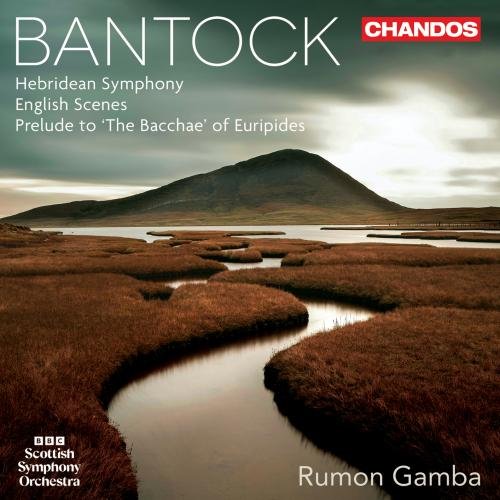
Artist: BBC Scottish Symphony Orchestra, Rumon Gamba
Title: Bantock: Orchestral Works
Year Of Release: 2026
Label: Chandos
Genre: Classical
Quality: flac lossless (tracks) / flac 24bits - 96.0kHz +Booklet
Total Time: 01:05:24
Total Size: 277 mb / 1.1 gb
WebSite: Album Preview
TracklistTitle: Bantock: Orchestral Works
Year Of Release: 2026
Label: Chandos
Genre: Classical
Quality: flac lossless (tracks) / flac 24bits - 96.0kHz +Booklet
Total Time: 01:05:24
Total Size: 277 mb / 1.1 gb
WebSite: Album Preview
01. Hebridean Symphony: I. Tranquillo
02. Hebridean Symphony: II. Con moto
03. Hebridean Symphony: III. Animando
04. Hebridean Symphony: IV. Poco lento
05. Prelude to The Bacchae of Euripides
06. English Scenes: Ia. Pastorale. In the Country
07. English Scenes: Ib. Episode
08. English Scenes: Ic. Tempo I
09. English Scenes: II. Romance. The Trysting Place
10. English Scenes: III. Intermezzo. Fairyland
11. English Scenes: IV. Benedictus. In Church
12. English Scenes: V. Hornpipe. Sailors’ Dance
Granville Bantock was born into a wealthy family (his father was a highly respected gynaecologist) in central London in 1868. Poor health scuppered his parents’ plans for a career for him in the Indian civil service, and eventually Bantock gravitated to music, studying at both Trinity College and at the Royal Academy of Music. Early conducting engagements took him around the world with a musical comedy troupe, before he was appointed as conductor of the New Brighton Tower concerts, in Cheshire. He very quickly expanded the scope of the orchestra, and staged concerts featuring works by Joseph Holbrooke, Frederic Hymen Cowen, Charles Steggall, Edward German, Hubert Parry, Charles Villiers Stanford, Frederick Corder, and others, frequently devoting whole concerts to a single composer. Edward Elgar commented that Bantock had ‘the most fertile musical brain of our time’.
On Elgar’s recommendation, he became the first Principal of the new Midland Institute School of Music, in Birmingham, and within seven years had succeeded Elgar as Peyton Professor of Music at the University of Birmingham, a post he held until 1934. His unique musical style combines the romanticism of Wagner with influences of English and Scottish folk music, as well as the exoticism of eastern music. He had many champions of his work, including Sibelius, who became the first president of the Bantock Society, formed after the composer’s death in 1946.