Tonhalle-Orchester Zürich, Paavo Järvi - Mahler: Symphony No. 2 "Resurrection" (2026) [Hi-Res]
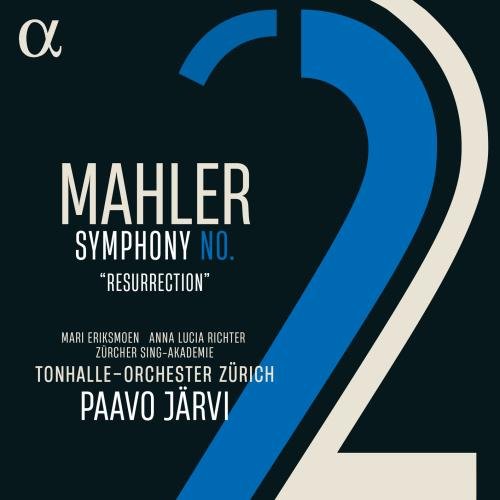
Artist: Tonhalle-Orchester Zürich, Paavo Järvi
Title: Mahler: Symphony No. 2 "Resurrection"
Year Of Release: 2026
Label: Alpha Classics
Genre: Classical
Quality: flac lossless (tracks) / flac 24bits - 96.0kHz +Booklet
Total Time: 01:24:48
Total Size: 353 mb / 1.41 gb
WebSite: Album Preview
TracklistTitle: Mahler: Symphony No. 2 "Resurrection"
Year Of Release: 2026
Label: Alpha Classics
Genre: Classical
Quality: flac lossless (tracks) / flac 24bits - 96.0kHz +Booklet
Total Time: 01:24:48
Total Size: 353 mb / 1.41 gb
WebSite: Album Preview
01. Symphony No. 2 in C Minor, GMW 30 Resurrection: I. Allegro maestoso. Mit durchaus ernstem und feierlichem Ausdruck
02. Symphony No. 2 in C Minor, GMW 30 Resurrection: II. Andante moderato. Sehr gemächlich
03. Symphony No. 2 in C Minor, GMW 30 Resurrection: III. In ruhig fließender Bewegung
04. Symphony No. 2 in C Minor, GMW 30 Resurrection: IV. Urlicht. Sehr feierlich, aber schlicht
05. Symphony No. 2 in C Minor, GMW 30 Resurrection: Va. Im Tempo des Scherzo. Wild herausfahrend
06. Symphony No. 2 in C Minor, GMW 30 Resurrection: Vb. Langsam
07. Symphony No. 2 in C Minor, GMW 30 Resurrection: Vc. Molto ritenuto – Maestoso – Allegro energico
08. Symphony No. 2 in C Minor, GMW 30 Resurrection: Vd. Wieder zurückhaltend
09. Symphony No. 2 in C Minor, GMW 30 Resurrection: Ve. Langsam. Misterioso. Aufersteh’n, ja aufersteh’n
10. Symphony No. 2 in C Minor, GMW 30 Resurrection: Vf. Etwas bewegter. O glaube, mein Herz !
For this fourth volume of their complete recording of Mahler’s symphonies, Paavo Järvi and the Tonhalle-Orchester Zürich present a monumental work: Symphony No. 2, with its five movements and colossal orchestra, complemented by a choir and soloists: “Mahler’s Symphony No. 2 is a gigantic work — both in substance and in scale”, says Paavo Järvi. Mahler completed the composition in 1894, after more than six years of work, at a time when, whilst he was certainly regarded as a great conductor, his life was difficult: he had lost his father, mother and sister Leopoldine in quick succession – suddenly finding himself responsible for his brothers and sisters – his first symphony had not been well received, and he was the target of an anti-Semitic press campaign in Budapest, where he had been director of the Royal Opera from 1888 to 1891. In a letter dated 1896, Mahler wrote: “When you wake from this melancholy dream and have to return to life and its chaos, it can easily happen that this ceaselessly moving, never resting and always incomprehensible bustle of life becomes horrifying to you…