Armel Dupas Trio, Armel Dupas, Jules Billé, Christophe Piot - Nocturnes (2026) [Hi-Res]
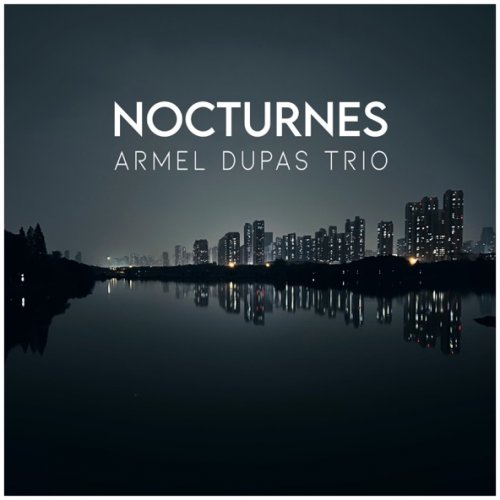
Artist: Armel Dupas Trio, Armel Dupas, Jules Billé, Christophe Piot
Title: Nocturnes
Year Of Release: 2026
Label: Armel Dupas Trio
Genre: Crossover Jazz
Quality: mp3 320 kbps / flac lossless (tracks) / flac 24bits - 48.0kHz
Total Time: 00:36:38
Total Size: 84 / 200 / 406 mb
WebSite: Album Preview
TracklistTitle: Nocturnes
Year Of Release: 2026
Label: Armel Dupas Trio
Genre: Crossover Jazz
Quality: mp3 320 kbps / flac lossless (tracks) / flac 24bits - 48.0kHz
Total Time: 00:36:38
Total Size: 84 / 200 / 406 mb
WebSite: Album Preview
02. Marcie
03. Serenade
04. Les signes
05. Leaving the city
06. Quand tout s'effondre
07. Comme un écho lointain
Armel Dupas – Piano; Jules Billé – Double Bass; Christophe Piot – Drums
French pianist Armel Dupas, a Paris Conservatoire graduate, has led this trio with bassist Jules Billé and drummer Christophe Piot since 2021. Nocturnes is their sixth album, recorded at Dupas’ woodhouse in the French countryside. Five of the seven pieces are his own. The sound is intimate and woody, jazz with a pop feel tucked in somewhere.
Heavy bass notes and a shuffling drumbeat set up “Le Rescapé,” with the piano coming in on a simple melody and a resonant tone. All three coalesce around one another, the intimate, woody sound nicely captured in the recording. Halfway through, the piano pulls back and lets the bass take over. Billé’s playing is lyrical and melodic, pushing the tune along.
“Serenade,” Emilíana Torrini’s song, begins with a bowed bass, lovely and melancholy, with a hint of folk music. The piano comps lightly before taking up the melody. Billé puts down his bow and returns to plucking the strings, following the piano’s melody. Short ascending and descending phrases pass between them, Piot’s brushes whispering across the drums.
In “Les Signes,” the bass picks out single notes, the piano repeats them, and Piot keeps a light touch on the brushes. The piano begins to press harder, chords ringing out and hanging in the air. Piot switches to sticks, cymbals shimmer, and Dupas starts trilling notes, his playing freer than before. Piot’s back on brushes, and the piano settles back into those short repeated phrases from the beginning.
Slower still, “Quand tout s’effondre” has a melody that leans toward sadness, though the piano doesn’t stay there. The drums keep things simple, with a rimshot landing here and there, while the bass works its way through the lower and middle registers. When Dupas takes over, the piano sounds happier, more expressive, the lines more floral.
“Comme un écho lointain” closes the album with piano and bass repeating short phrases, Piot’s brushwork fitting in with them. What they’re doing individually sounds pretty uncomplicated, but it all meshes together so well. It’s easy to pick out one player, then find your ear grabbing another.