Wojtek Mazolewski Quintet - Pure Form (2026)
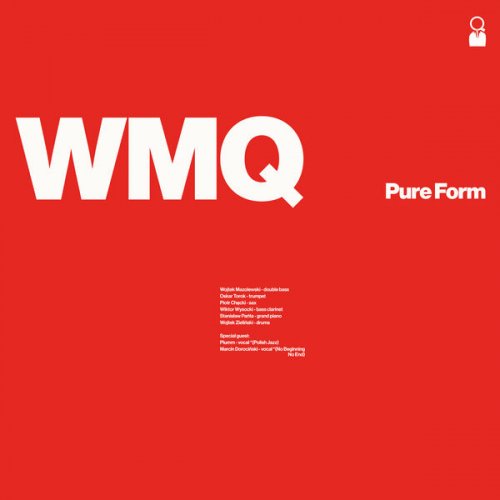
Artist: Wojtek Mazolewski, Wojtek Mazolewski Quintet
Title: Pure Form
Year Of Release: 2026
Label: NoPaper Records
Genre: Jazz
Quality: Mp3 320 kbps / FLAC (tracks)
Total Time: 42:31
Total Size: 97.9 / 269 MB
WebSite: Album Preview
Tracklist:Title: Pure Form
Year Of Release: 2026
Label: NoPaper Records
Genre: Jazz
Quality: Mp3 320 kbps / FLAC (tracks)
Total Time: 42:31
Total Size: 97.9 / 269 MB
WebSite: Album Preview
1. A Portrait of Autumn (3:38)
2. Golden Rise (1:28)
3. No Beginning No End (3:41)
4. Cordoba October (7:03)
5. Astral Blue (4:52)
6. First Pure Form (3:46)
7. Second Pure Form (3:56)
8. Polish Jazz (2:39)
9. Witkacy Cosmic Painter (5:16)
10. PURE FORM Party (6:14)
Autumnal, cinematic and filled with a quiet sense of unease "Pure" Form finds Wojtek Mazolewski Quintet moving between melancholy, lyrical beauty and the unpredictable spirit of jazz.
Following the expansive, spiritual energy of "Beautiful People" and the wild live experience of "Live Spirit I", Wojtek Mazolewski Quintet return with Pure Form a more intimate and atmospheric record, shaped by autumnal colours, cinematic lyricism and a sensibility deeply rooted in Polish culture.
The title refers to the idea of Pure Form developed by Polish artist, writer and provocateur Stanisław Ignacy Witkiewicz - Witkacy, one of the most original artists of the 20th century. It is a concept of art that does not have to reproduce reality, but can something entirely of its own through form, tension, rhythm and emotion.
For Mazolewski, however, this becomes less a theory than a kind of musical instinct.
"Pure Form" is primarily an instrumental album, allowing the dynamic interplay between the musicians to take centre stage. Some of the material originated during the recording sessions for Witkacy. Kompozycje Astronomiczne, a project created together with acclaimed Polish actor Marcin Dorociński. Dorocinski’s voice appears symbolically on one track, like a fragment of another world finding its way into the music.
The album feels different from "Beautiful People". Where that record reached outward with a spiritual and celebratory energy, Pure Form looks inward. Its colours are darker, its pace more reflective. There is something autumnal, melancholic and unmistakably Polish in its atmosphere . At the same time, the group’s untamed creative energy prevents its intriguing sense of mystery from turning into gloomy spleen.
One of the album’s most captivating moments is “Polish Jazz”, featuring guest vocalist Plumm, known for her work with Levitation Orchestra. Her distinctive voice meets piano and an almost chamber-like brass section, creating one of the album’s most cinematic moments - lyrical, refined and steeped in the jazz tradition, yet unmistakably contemporary.
“Cordoba October”, meanwhile, occupies the opposite end of the spectrum. Energetic, rhythmically restless and melodically unruly, it connects Pure Form with the vitality of spiritual jazz - an equally important reference point for Wojtek Mazolewski. Here, the album’s autumnal melancholy gives way to the band’s impatient, sparkling energy. Because beneath the surface of "Pure Form" there is something else - Witkacy’s irreverent spirit and the trickster nature of jazz.
The music may be lyrical and cinematic, but it is never one-dimensional - a melody suddenly gives way to improvisation, a mood is disrupted by rhythm, and a distinctive motif often leads to an unexpected turn.
"Pure Form" is therefore neither a solemn meditation nor an attempt to musically illustrate Witkacy. It is at times meditative, at others exuberant - a record about atmosphere, freedom and the space between composition and improvisation.