Alan Curtis - Stradella: La Susanna (2000)
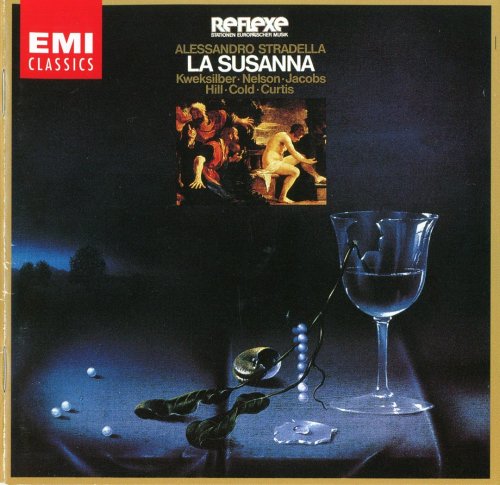
Artist: Alan Curtis
Title: Stradella: La Susanna
Year Of Release: 1979 / 2000
Label: EMI Classics
Genre: Classical
Quality: FLAC (image + .cue, log, scans)
Total Time: 1:36:30
Total Size: 463 MB
WebSite: Album Preview
Title: Stradella: La Susanna
Year Of Release: 1979 / 2000
Label: EMI Classics
Genre: Classical
Quality: FLAC (image + .cue, log, scans)
Total Time: 1:36:30
Total Size: 463 MB
WebSite: Album Preview
La Susanna, a late oratorio composed in Genoa in 1681, the year before the composer’s death. La Susanna belongs to a popular 17th-century sub-genre termed oratorio erotico because it employed biblical stories concerned with love or the sensual aspect of women. It is typical of the kind of plot that might be used to attract an audience drawn to the prayer halls to be given Bible “instruction” in easily accessible form. The concept was a mark of counter-Reformation propaganda and stories such as those of Judith or Susanna were popular not only in music, but also literature and painting. Indeed, the cover of the present set is illustrated by a fine painting by Artemisia Gentileschi depicting the beautiful naked Susanna recoiling from the gaze of the two leering elders. The story, which appears in Chapter 13 of the Book of Daniel, goes on to relate how the elders (judges in the oratorio), foiled in their attempted rape of Susanna as she bathed, accuse the virtuous wife of adultery. Her death is averted only by the arrival of the young prophet Daniel, whose questioning of the judges reveals discrepancies in their stories, thus proving Susanna’s innocence. The outcome therefore sends the congregation away with a dual moral ringing in their ears: evil lustfulness and perjury will both be punished. The mostly brief vocal numbers are distinguished by a formal variety that includes through-composed arias in addition to those in AB form, da capos, and a number of duets and trios, the last of which features some ravishing madrigalian writing for the disgraced judges and the exonerated Susanna. The score as a whole is indeed full of beautiful ideas illuminated by Stradella’s supreme mastery of counterpoint.
Related Releases: