Jan Vermeulen - Stephen Heller: Piano Studies (2005)
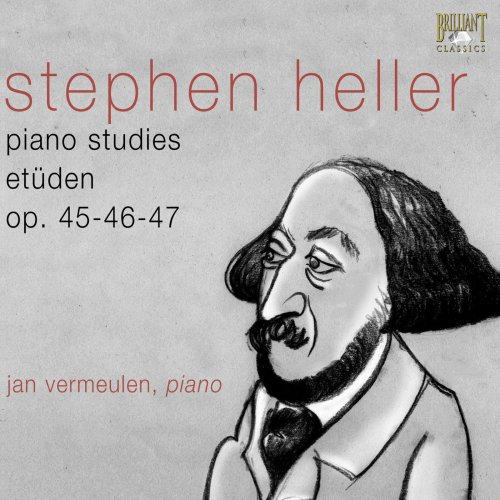
Artist: Jan Vermeulen
Title: Stephen Heller: Piano Studies
Year Of Release: 2005
Label: Brilliant Classics
Genre: Classical
Quality: FLAC (tracks)
Total Time: 02:13:25
Total Size: 483 mb
WebSite: Album Preview
Tracklist: Title: Stephen Heller: Piano Studies
Year Of Release: 2005
Label: Brilliant Classics
Genre: Classical
Quality: FLAC (tracks)
Total Time: 02:13:25
Total Size: 483 mb
WebSite: Album Preview
1. No. 1, Allegretto 01:10
2. No. 2, Allegro 01:14
3. No. 3, Allegretto 01:20
4. No. 4, Allegretto 01:20
5. No. 5, Allegretto comodo 01:46
6. No. 6, Allegretto con moto 01:34
7. No. 7, Allegretto con moto 01:01
8. No. 8, Allegretto 00:49
9. No. 9, Andante quasi allegretto 02:24
10. No. 10, Moderato 01:24
11. No. 11, Allegro 01:51
12. No. 12, Con moto 01:22
13. No. 13, Allegro scherzando 01:13
14. No. 14, Poco maestoso 02:17
15. No. 15, Poco maestoso 02:11
16. No. 16, Andantino con tenerezza 02:18
17. No. 17, Allegro vivace 2:17
18. No. 18, Allegro 01:09
19. No. 19, Allegretto grazioso 01:08
20. No. 20, Allegro 01:38
21. No. 21, Allegro vivace
02:22
22. No. 22, Allegretto con moto 02:08
23. No. 23, Allegro di molto 01:07
24. No. 24, Allegro veloce 01:06
25. No. 25, Allegro con brio 02:34
26. No. 1, Allegro assai 00:52
27. No. 2, Allegretto scherzando 00:38
28. No. 3, Allegretto 01:19
29. No. 4, Allegro vivo 01:03
30. No. 5, Allegretto moderato 01:19
31. No. 6, Allegretto grazioso 01:32
32. No. 7, Vivace 01:01
33. No. 8, Andante cantabile 01:50
34. No. 9, Allegretto scherzando 02:17
35. No. 10, Moderato 01:30
36. No. 11, Andantino 01:11
37. No. 12, Allegro veloce 01:25
38. No. 13, Allegro assai 01:59
39. No. 14, Allegretto con moto 01:59
40. No. 15, Allegretto placido 03:29
41. No. 16, Allegretto 02:40
42. No. 17, Andantino 01:36
43. No. 18, Allegro vivace 01:03
44. No. 19, Andantino 02:13
45. No. 20, Allegro vivace 01:48
46. No. 21, Allegro vivace 01:07
47. No. 22, Assai moderato 00:54
48. No. 23, Allegro non troppo 01:17
49. No. 24, Allegro con brio 00:58
50. No. 25, Allegretto con moto 02:26
51. No. 26, Allegro risoluto 00:48
52. No. 27, Allegretto con moto 01:29
53. No. 28, Allegro non troppo 03:09
54. No. 29, Con moto 02:24
55. No. 30, Allegro con moto 02:27
56. No. 1, Allegretto 01:05
57. No. 2, Andante 01:31
58. No. 3, Allegretto con moto 01:11
59. No. 4, Andantino con moto 02:04
60. No. 5, Allegretto poco agitato 01:04
61. No. 6, Allegro moderato 02:17
62. No. 7, Vivace 01:09
63. No. 8, Assai vivace 00:38
64. No. 9, Andantino 02:24
65. No. 10, Moderato 02:12
66. No. 11, Molto vivo 00:37
67. No. 12, Assai vivo e giocoso 01:23
68. No. 13, Allegretto 01:31
69. No. 14, Allegretto con moto 01:46
70. No. 15, Adagio 02:21
71. No. 16, Andantino 01:55
72. No. 17, Allegro con spirito 01:08
73. No. 18, Vivace 01:57
74. No. 19, Con moto 01:35
75. No. 20, Moderato 02:53
76. No. 21, Andante con moto 01:54
77. No. 22, Allegro assai 01:41
78. No. 23, Andante 01:49
79. No. 24, Allegretto con moto 01:47
80. No. 25, Allegro molto vivace 03:07
Performers:
Jan Vermeulen (piano)
Stephen Heller wrote a significant amount of piano music, much of it for concert performance, but his etudes have outlived the rest of his music. Almost every student of piano has learned at least one piece by Heller. Jan Vermeulen gives us the three largest sets of Heller's etudes in this two-CD package. After hearing Vermeulen play these, it is hard not to think of them as character pieces or songs without words, and it is puzzling why no one has recorded them before. It is easy to hear that each is practicing and reinforcing a particular technique, but they are far from being boring, repetitive figurations, which is precisely what Heller intended and what makes them so enduring. The etudes range in difficulty from L'avalanche, Op. 45, No. 2, which frequently appears in student music collections, to the flashy Allegro con brio, Op. 45, No. 25, that reaches for Lisztian dazzlement. The first set, Melodic Etudes, Op. 45, also contains etudes featuring Mendelssohn-like lyrical melodies over an accompaniment split between the two hands. The second set is in "Progressing Difficulty," but Vermeulen's dexterity makes the first one sound as inspiring as the last one. No. 15 uses lots of mordants, drone-like bass, and unison passages to paint a picture of a happy village life. In the final collection, there are more slower-paced etudes than in the previous collections. Heller intended these for developing "musical rhythm and expression," so there is more of an emphasis on the phrasing than the technical skills. With liveliness and agility, Vermeulen brings out the charm and character of these etudes, the precise qualities that makes them appealing to students. The sound is slightly dull and distant, but it doesn't hurt the impression of Vermeulen's playing. A minor complaint about the set: music like this that has been previously ignored in professional performance and recording deserves more detailed notes than what Vermeulen was able to provide.
![Brice Blanco - AFRO URF (2026) [Hi-Res]](https://img.israbox.com/img/2026-09/30/pc3rfndqc98d0854lh0m205mo.jpg "Brice Blanco - AFRO URF (2026) [Hi-Res]")
![La Sirena - The Sorceress Dreaming (2026) [Hi-Res]](https://img.israbox.com/img/2026-09/28/w7df1c5gx6yilw1u4hbk0zxn9.jpg "La Sirena - The Sorceress Dreaming (2026) [Hi-Res]")
![Lalah Hathaway - Made In Chicago (2026) [Hi-Res]](https://www.dibpic.com/uploads/posts/2026-09/1790781410_cover.jpg "Lalah Hathaway - Made In Chicago (2026) [Hi-Res]")