Giuseppe Brent, Nick Nesbitt, Arnold Livingston Geis, Sophie Delphis & Suchan Kim - Charles Calomiris: Gethsemane, Opera in 1 Act (2025)
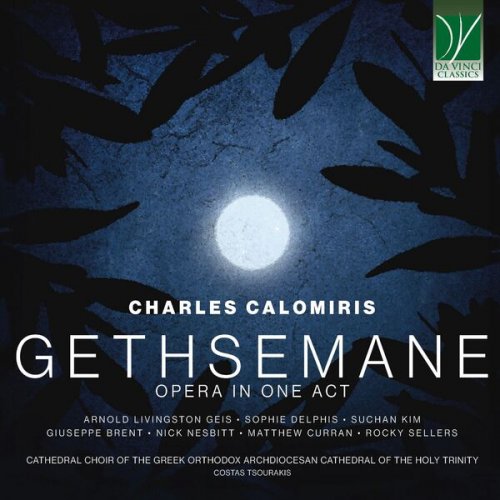
Artist: Giuseppe Brent, Nick Nesbitt, Arnold Livingston Geis, Sophie Delphis, Suchan Kim
Title: Charles Calomiris: Gethsemane, Opera in 1 Act
Year Of Release: 2025
Label: Da Vinci Classics
Genre: Classical
Quality: FLAC (tracks)
Total Time: 43:31 min
Total Size: 198 MB
WebSite: Album Preview
Tracklist:Title: Charles Calomiris: Gethsemane, Opera in 1 Act
Year Of Release: 2025
Label: Da Vinci Classics
Genre: Classical
Quality: FLAC (tracks)
Total Time: 43:31 min
Total Size: 198 MB
WebSite: Album Preview
01. Gethsemane: Overture
02. Gethsemane: The Golden Rule
03. Gethsemane: Pray and Watch with Me
04. Gethsemane: The Only Sensible Choice
05. Gethsemane: Easy for him
06. Gethsemane: Blessed
07. Gethsemane: Eli Eli Lama Sabachthani
08. Gethsemane: Climb Upon Your Cross
09. Gethsemane: Devil’s Do
10. Gethsemane: Lift Me Up
Jesus and his three disciples (Peter, John, and James) are together in the garden, Gethsemane. Jesus has asked them to pray and watch with him, and they have already fallen asleep twice. Upon being awakened the second time, Peter asks if Jesus can help them stay awake by explaining how his “Golden Rule,” and his mandate to love one’s enemies, can work as a message to attract followers. Jesus leads them in the aria, “Pray and Watch with Me.” As the three pray with Jesus, the devil communicates subconsciously with the disciples, reminding them that they are tired and bored, questioning whether Jesus understands how tired they are, and wondering what the point is of being out in a garden in the middle of the night. The devil’s influence leads the three to fall asleep a third time.
Satan intrudes on Jesus’s praying to taunt him, noting that his movement is running into trouble, predicting that his friends will abandon him, and pointing out that Jesus’s own disciple, Judas, is already on the way to arrest him. The devil seeks to understand Jesus’s plan and to portray the Father as unjust and uncaring in “Easy for Him.” Jesus refuses to engage with the devil, who encourages Jesus to use his power to destroy those who oppose him (“The Only Sensible Choice”) as a way to protect his friends and family from persecution after Jesus returns to heaven to escape capture. The devil is unable to imagine the possibility that Jesus will sacrifice himself instead.
After Satan exits, an Angelic Choir comforts Jesus with “Blessed,” using his own words of comfort from the Sermon on the Plain. Jesus then resumes praying to the Father, and sings “Eli, Eli, Lama Sabachthani,” which combines his own thoughts (dreading what is about to happen) with parts of Psalm 22, which foreshadows his suffering on the cross. After Jesus finishes “Eli, Eli…”, the Father answers by reminding Jesus of all that has led to this moment, singing “Climb Upon Your Cross.”
Jesus notices the band of soldiers approaching in the distance, while his disciples remain asleep. Jesus and the devil offer opposing views to Judas (who is approaching in the distance with soldiers) in the aria, “Devil’s Do.” Before they arrive, Jesus, having made his choice, sings “Lift Me Up.”
Every year, Orthodox Christians reenact the events that took place from the raising of Lazarus on the Saturday before Palm Sunday to Jesus’s Resurrection on Easter Sunday (Pascha). Liturgical services follow Jesus from his visit to Lazarus’s tomb, to his entry into Jerusalem, to the Last Supper, Judas’s betrayal and the seizure in Gethsemane, to Jesus’s meetings with Herod, the Council, and Pilate, ending in his crucifixion, death, burial, and resurrection. Some communities also have been known to stage dramatic reenactments of some of these events, as recounted in Nikos Kazantzakis’s novel, The Greek Passion.
This opera, like those dramatic reenactments, exists at the boundary between secular drama and sacred oratorio. It takes place entirely in the hour before Jesus is seized in the Garden of Gethsemane, where he has gone with his three leading disciples, Peter, John, and James. There is scant scriptural evidence about the details of how Jesus passes this hour. Do his disciples ask him questions, and if so, how does he respond to them? Jesus prays to his Father, and we know something about what Jesus says in those prayers, but what does his Father, or possibly the heavenly host of angels, say to Jesus as he prays? Does the devil attempt to converse with Jesus in Gethsemane? If so, what does Satan understand about Jesus’s intentions, and what might Satan want to accomplish by such a conversation? How can Satan possibly convince Judas, who has walked alongside Jesus for three years and witnessed his many miracles, to betray Jesus?
Gethsemane proposes answers to those questions. Its theme, like the Orthodox reenactment of Holy Week, is the centrality and radical nature of Jesus’s lesson that mankind must learn sacrificial love to be reunited with God. Sacrificial love is not imaginable prior to the Crucifixion—not to the devil, nor to Jesus’s disciples (who see it as an obstacle to gaining followers, and who confuse it with weakness). Jesus’s decision to climb onto the cross not only accomplishes the objective of overcoming death, it makes it possible for his followers to understand and imitate his teaching of sacrificial love.
Gethsemane is a time for choosing, an ever-present where past and future coexist, visible and undivided, where creation, joy, beauty, pain, sacrifice, death, and resurrection reveal the loving thread that knits them together.
Charles Calomiris
Pano Hora, Colorado
Satan intrudes on Jesus’s praying to taunt him, noting that his movement is running into trouble, predicting that his friends will abandon him, and pointing out that Jesus’s own disciple, Judas, is already on the way to arrest him. The devil seeks to understand Jesus’s plan and to portray the Father as unjust and uncaring in “Easy for Him.” Jesus refuses to engage with the devil, who encourages Jesus to use his power to destroy those who oppose him (“The Only Sensible Choice”) as a way to protect his friends and family from persecution after Jesus returns to heaven to escape capture. The devil is unable to imagine the possibility that Jesus will sacrifice himself instead.
After Satan exits, an Angelic Choir comforts Jesus with “Blessed,” using his own words of comfort from the Sermon on the Plain. Jesus then resumes praying to the Father, and sings “Eli, Eli, Lama Sabachthani,” which combines his own thoughts (dreading what is about to happen) with parts of Psalm 22, which foreshadows his suffering on the cross. After Jesus finishes “Eli, Eli…”, the Father answers by reminding Jesus of all that has led to this moment, singing “Climb Upon Your Cross.”
Jesus notices the band of soldiers approaching in the distance, while his disciples remain asleep. Jesus and the devil offer opposing views to Judas (who is approaching in the distance with soldiers) in the aria, “Devil’s Do.” Before they arrive, Jesus, having made his choice, sings “Lift Me Up.”
Every year, Orthodox Christians reenact the events that took place from the raising of Lazarus on the Saturday before Palm Sunday to Jesus’s Resurrection on Easter Sunday (Pascha). Liturgical services follow Jesus from his visit to Lazarus’s tomb, to his entry into Jerusalem, to the Last Supper, Judas’s betrayal and the seizure in Gethsemane, to Jesus’s meetings with Herod, the Council, and Pilate, ending in his crucifixion, death, burial, and resurrection. Some communities also have been known to stage dramatic reenactments of some of these events, as recounted in Nikos Kazantzakis’s novel, The Greek Passion.
This opera, like those dramatic reenactments, exists at the boundary between secular drama and sacred oratorio. It takes place entirely in the hour before Jesus is seized in the Garden of Gethsemane, where he has gone with his three leading disciples, Peter, John, and James. There is scant scriptural evidence about the details of how Jesus passes this hour. Do his disciples ask him questions, and if so, how does he respond to them? Jesus prays to his Father, and we know something about what Jesus says in those prayers, but what does his Father, or possibly the heavenly host of angels, say to Jesus as he prays? Does the devil attempt to converse with Jesus in Gethsemane? If so, what does Satan understand about Jesus’s intentions, and what might Satan want to accomplish by such a conversation? How can Satan possibly convince Judas, who has walked alongside Jesus for three years and witnessed his many miracles, to betray Jesus?
Gethsemane proposes answers to those questions. Its theme, like the Orthodox reenactment of Holy Week, is the centrality and radical nature of Jesus’s lesson that mankind must learn sacrificial love to be reunited with God. Sacrificial love is not imaginable prior to the Crucifixion—not to the devil, nor to Jesus’s disciples (who see it as an obstacle to gaining followers, and who confuse it with weakness). Jesus’s decision to climb onto the cross not only accomplishes the objective of overcoming death, it makes it possible for his followers to understand and imitate his teaching of sacrificial love.
Gethsemane is a time for choosing, an ever-present where past and future coexist, visible and undivided, where creation, joy, beauty, pain, sacrifice, death, and resurrection reveal the loving thread that knits them together.
Charles Calomiris
Pano Hora, Colorado
![Mitsuru Araya - Natura' Rhythm (2004) [2007 SACD]](https://www.dibpic.com/uploads/posts/2026-07/1784442640_folder.jpg "Mitsuru Araya - Natura' Rhythm (2004) [2007 SACD]")




![Reza Askari & ROAR Quintet - xAYb v8v dYAx (2026) [Hi-Res]](https://www.dibpic.com/uploads/posts/2026-07/1784643712_folder.jpg "Reza Askari & ROAR Quintet - xAYb v8v dYAx (2026) [Hi-Res]")