Madrugada - Madrugada (2021 Remaster) [Hi-Res]
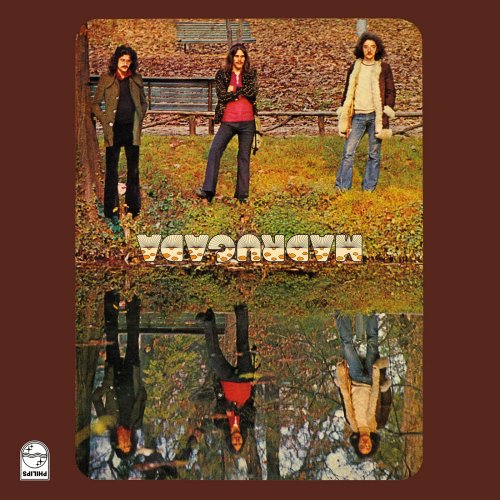
Artist: Madrugada
Title: Madrugada
Year Of Release: 1974/2021
Label: Universal Music Italia srL.
Genre: Progressive rock, RPI
Quality: FLAC (tracks) 24/96, FLAC (tracks), 320 kbps
Total Time: 00:33:46
Total Size: 698 / 189 / 80 MB
WebSite: Album Preview
Tracklist:Title: Madrugada
Year Of Release: 1974/2021
Label: Universal Music Italia srL.
Genre: Progressive rock, RPI
Quality: FLAC (tracks) 24/96, FLAC (tracks), 320 kbps
Total Time: 00:33:46
Total Size: 698 / 189 / 80 MB
WebSite: Album Preview
01. Madrugada - Madrugada I (Remastered 2021) (3:01)
02. Madrugada - Camminar (Remastered 2021) (5:09)
03. Madrugada - Vieni Nella Strada (Remastered 2021) (3:45)
04. Madrugada - Uomo Blu (Remastered 2021) (6:03)
05. Madrugada - D.M.T. (Remastered 2021) (3:53)
06. Madrugada - Mandrax (Remastered 2021) (9:56)
07. Madrugada - Madrugada II (Remastered 2021) (1:59)
The Italian band Madrugada was formed in 1970 (some sources say 1972) in the city of Bergamo. They were a classic trio that emerged from the local 1960s beat scene.
Formation and Name
Roots: Before forming Madrugada, the musicians played in several beat groups such as I Condor, Le Lunghe Storie, Le Bugie, and Gruppo 3.
Terza Classe: The immediate predecessor to Madrugada was a collective called Terza Classe, which also featured guitarist Mario Pasotti (the father of the famous Italian actor Giorgio Pasotti).
Meaning of the Name: The name was chosen for its "psychedelic" sound. Madrugada means "dawn" or "early morning" in Spanish and Portuguese. The band members also jokingly pointed out that the English word "drug" is hidden in the middle of the name.
Constant Lineup (1972–1977)
The band was known for its stability and consisted of three core members throughout its career:
Gianfranco Pinto: Keyboards, vocals.
Alessandro "Billy" Zanelli: Bass guitar, vocals.
Pietro Rapelli: Drums, vocals.
Creative Path and Collaborations
Partnerships: The band was closely linked to the famous Italian singer-songwriter Roberto Vecchioni and producer Mauro Paoluzzi. They assisted the group with lyrics, arrangements, and songwriting.
Live Performances: Madrugada was a very active live band. They performed at major pop festivals (such as Re Nudo), played in theaters and clubs, and toured alongside Italian progressive rock legends Area.
Political Context: The collective often performed at concerts supporting various political movements, such as Avanguardia Operaia and the Radical Party.
Breakup and Later Years
The group disbanded around 1977–1978. The primary reason was the declining interest in progressive rock following the rise of the punk wave.
Gianfranco Pinto went on to have a successful career as a session musician, working with stars like Patty Pravo, Riccardo Fogli, and Roberto Vecchioni. He later became a vocal coach and music teacher.
Billy Zanelli and Pietro Rapelli effectively left the professional music industry after the band split.
Formation and Name
Roots: Before forming Madrugada, the musicians played in several beat groups such as I Condor, Le Lunghe Storie, Le Bugie, and Gruppo 3.
Terza Classe: The immediate predecessor to Madrugada was a collective called Terza Classe, which also featured guitarist Mario Pasotti (the father of the famous Italian actor Giorgio Pasotti).
Meaning of the Name: The name was chosen for its "psychedelic" sound. Madrugada means "dawn" or "early morning" in Spanish and Portuguese. The band members also jokingly pointed out that the English word "drug" is hidden in the middle of the name.
Constant Lineup (1972–1977)
The band was known for its stability and consisted of three core members throughout its career:
Gianfranco Pinto: Keyboards, vocals.
Alessandro "Billy" Zanelli: Bass guitar, vocals.
Pietro Rapelli: Drums, vocals.
Creative Path and Collaborations
Partnerships: The band was closely linked to the famous Italian singer-songwriter Roberto Vecchioni and producer Mauro Paoluzzi. They assisted the group with lyrics, arrangements, and songwriting.
Live Performances: Madrugada was a very active live band. They performed at major pop festivals (such as Re Nudo), played in theaters and clubs, and toured alongside Italian progressive rock legends Area.
Political Context: The collective often performed at concerts supporting various political movements, such as Avanguardia Operaia and the Radical Party.
Breakup and Later Years
The group disbanded around 1977–1978. The primary reason was the declining interest in progressive rock following the rise of the punk wave.
Gianfranco Pinto went on to have a successful career as a session musician, working with stars like Patty Pravo, Riccardo Fogli, and Roberto Vecchioni. He later became a vocal coach and music teacher.
Billy Zanelli and Pietro Rapelli effectively left the professional music industry after the band split.
![Ibelisse Guardia Ferragutti, Frank Rosaly - International Anthem @ Public Records (Volume 11) (2026) [Hi-Res]](https://img.israbox.com/img/2026-10/09/il7z37yfo7ipw5lg5yd9p3fm9.jpg "Ibelisse Guardia Ferragutti, Frank Rosaly - International Anthem @ Public Records (Volume 11) (2026) [Hi-Res]")
![Matt McMahon - Burra Korain (2026) [Hi-Res]](https://img.israbox.com/img/2026-10/08/xb1y7h3y6lcfkbetrs8hx01gr.jpg "Matt McMahon - Burra Korain (2026) [Hi-Res]")