Kako Y Su Combo, Chivirico Davila - Kako Y Su Combo, Vol. 2 (1961)
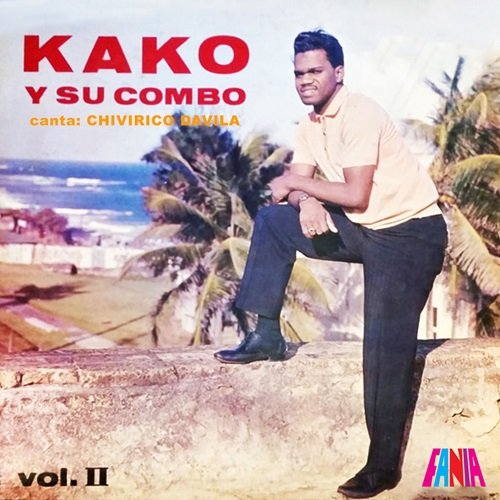
Artist: Kako Y Su Combo, Chivirico Davila
Title: Kako Y Su Combo, Vol. 2
Year Of Release: 1961
Label: Fania
Genre: Latin Jazz, Guaguancó, Son, Plena, Bolero
Quality: Flac (tracks)
Total Time: 33:27
Total Size: 220 Mb
WebSite: Album Preview
Tracklist:Title: Kako Y Su Combo, Vol. 2
Year Of Release: 1961
Label: Fania
Genre: Latin Jazz, Guaguancó, Son, Plena, Bolero
Quality: Flac (tracks)
Total Time: 33:27
Total Size: 220 Mb
WebSite: Album Preview
01. Mi Guaguancó 2:42
02. El Malo 2:59
03. Cuidadito Compay Gallo 2:40
04. Te Voy A Comprar 2:17
05. La Pesadilla 2:59
06. El Son Montuno 2:40
07. Voló Voló 2:50
08. La Lengua Melódica 2:27
09. Qué Rico 2:43
10. La Plena De San Anton 3:03
11. Encantado De La Vida 3:12
12. Soy Sonero 2:56
"Kako Y Su Combo, Vol. 2" (1961) is a historically important record that laid the foundation for the emergence of the salsa genre in New York City. The album marked the peak of the creative partnership between virtuoso percussionist Francisco "Kako" Bastar and one of the best vocalists of the era, Chivirico Dávila.
Released on the iconic Alegre Records label, the record became a benchmark for the hard-hitting yet danceable street sound of salsa dura.
Kako removed the violins common to the era, emphasizing an aggressive brass section and powerful percussion.
Chivirico Dávila demonstrates his iconic status as a "sonero"—an artist capable of inventing rhyming lyrics (guía) on the fly during instrumental breaks (montuno). The album combines Cuban rhythms (guaguancó, son montuno) with Puerto Rican plena, creating a unique hybrid that would later be called salsa.
This album proved that Latin American music in the US could move away from the refined sound of large big bands (like Tito Puente's orchestra) to a more compact, bold, and aggressive "combo" format. It was this minimalist lineup and explosive tempo that defined the sound of salsa's golden era of the 1970s.
Released on the iconic Alegre Records label, the record became a benchmark for the hard-hitting yet danceable street sound of salsa dura.
Kako removed the violins common to the era, emphasizing an aggressive brass section and powerful percussion.
Chivirico Dávila demonstrates his iconic status as a "sonero"—an artist capable of inventing rhyming lyrics (guía) on the fly during instrumental breaks (montuno). The album combines Cuban rhythms (guaguancó, son montuno) with Puerto Rican plena, creating a unique hybrid that would later be called salsa.
This album proved that Latin American music in the US could move away from the refined sound of large big bands (like Tito Puente's orchestra) to a more compact, bold, and aggressive "combo" format. It was this minimalist lineup and explosive tempo that defined the sound of salsa's golden era of the 1970s.
![Twit One - The Twit 1, II, Three (2026) [Hi-Res]](https://img.israbox.com/img/2026-10/24/651z6ip3escr9pnfexdqhgfgc.jpg "Twit One - The Twit 1, II, Three (2026) [Hi-Res]")

![Borguefül - Vêtue (2026) [Hi-Res]](https://img.israbox.com/img/2026-10/21/mo01rumehxkpa40vfx3krs3rd.jpg "Borguefül - Vêtue (2026) [Hi-Res]")
![Isao Suzuki Quartet +2 - Orang-Utan (1975) [2024]](https://www.dibpic.com/uploads/posts/2026-10/1792561815_ff.jpg "Isao Suzuki Quartet +2 - Orang-Utan (1975) [2024]")