Michael Gordon, Doug Perkins and the University of Michigan Percussion Ensemble - Field of Vision (2026) [Hi-Res]
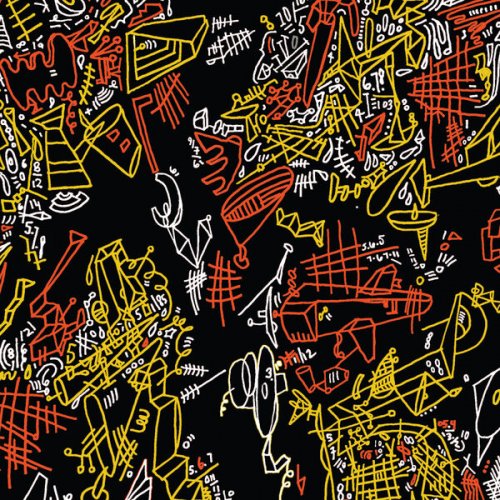
Artist: Michael Gordon, Doug Perkins, the University of Michigan Percussion Ensemble
Title: Field of Vision
Year Of Release: 2026
Label: Cantaloupe Music
Genre: Contemporary Classical, Experimental
Quality: FLAC (tracks) / 24bit-96kHz FLAC (tracks)
Total Time: 01:55:50
Total Size: 440 MB
WebSite: Album Preview
Tracklist:Title: Field of Vision
Year Of Release: 2026
Label: Cantaloupe Music
Genre: Contemporary Classical, Experimental
Quality: FLAC (tracks) / 24bit-96kHz FLAC (tracks)
Total Time: 01:55:50
Total Size: 440 MB
WebSite: Album Preview
1. Field of Vision: Pt. 1 (15:25)
2. Field of Vision: Pt. 2 (12:21)
3. Field of Vision: Pt. 3 (8:26)
4. Field of Vision: Pt. 4 (21:44)
5. Field of Vision (57:56)
𝐋𝐨𝐨𝐤 𝐟𝐨𝐫 𝐭𝐡𝐞 𝐚𝐝𝐯𝐚𝐧𝐜𝐞 𝐅𝐢𝐞𝐥𝐝 𝐨𝐟 𝐕𝐢𝐬𝐢𝐨𝐧 𝐬𝐢𝐧𝐠𝐥𝐞𝐬 𝐒𝐢𝐝𝐞 𝐀, 𝐒𝐢𝐝𝐞 𝐁
𝗮𝗻𝗱 𝗦𝗶𝗱𝗲 𝗖, 𝐬𝐭𝐫𝐞𝐚𝐦𝐢𝐧𝐠 𝐡𝐞𝐫𝐞 𝐚𝐧𝐝 𝐨𝐧 𝐚𝐥𝐥 𝐩𝐥𝐚𝐭𝐟𝐨𝐫𝐦𝐬!
Performed on specially constructed and tuned percussion instruments, industrial metals, wood and gongs, Michael Gordon’s Field of Vision reveals a complex spectrum of overtones and resonances. The large number of percussionists, and the vast performance field, invoke a sweeping perspective that suggests the architectural movement of sound.
Produced by Doug Perkins and performed by the University of Michigan Percussion Ensemble, the piece is meant to induce, in Gordon's words, a quasi-meditative, almost ecstatic state — for performer and audience alike. "It's where attention sharpens and dissolves, and thoughts focus and drift," he explains. "In the end, I think the music emerges as an exploration of space itself. Who can tune space? The answer becomes collective: the performers, the instruments, the listeners."
𝗮𝗻𝗱 𝗦𝗶𝗱𝗲 𝗖, 𝐬𝐭𝐫𝐞𝐚𝐦𝐢𝐧𝐠 𝐡𝐞𝐫𝐞 𝐚𝐧𝐝 𝐨𝐧 𝐚𝐥𝐥 𝐩𝐥𝐚𝐭𝐟𝐨𝐫𝐦𝐬!
Performed on specially constructed and tuned percussion instruments, industrial metals, wood and gongs, Michael Gordon’s Field of Vision reveals a complex spectrum of overtones and resonances. The large number of percussionists, and the vast performance field, invoke a sweeping perspective that suggests the architectural movement of sound.
Produced by Doug Perkins and performed by the University of Michigan Percussion Ensemble, the piece is meant to induce, in Gordon's words, a quasi-meditative, almost ecstatic state — for performer and audience alike. "It's where attention sharpens and dissolves, and thoughts focus and drift," he explains. "In the end, I think the music emerges as an exploration of space itself. Who can tune space? The answer becomes collective: the performers, the instruments, the listeners."
![DAYNA KURTZ - Postcards From Downtown (25th Anniversary Edition) (2026) [Hi-Res]](https://img.israbox.com/img/2026-08/31/d5yg5b010sblbwep9g2nqr0mn.jpg "DAYNA KURTZ - Postcards From Downtown (25th Anniversary Edition) (2026) [Hi-Res]")
![Alicia Witt - Between Heaven and Earth (2026) [Hi-Res]](https://img.israbox.com/img/2026-08/29/vdfub0as4sebuz9ep06t3j7q4.jpg "Alicia Witt - Between Heaven and Earth (2026) [Hi-Res]")
![Cold Diamond & Mink & Mr. Sophisticated Fingers - Organ-ized (2026) [Hi-Res]](https://img.israbox.com/img/2026-08/28/hrxi6alpe2zivbwviostfgsro.jpg "Cold Diamond & Mink & Mr. Sophisticated Fingers - Organ-ized (2026) [Hi-Res]")
![Spike Wilner - A Set of Originals (2026) [Hi-Res]](https://www.dibpic.com/uploads/posts/2026-08/1787890824_cover.jpg "Spike Wilner - A Set of Originals (2026) [Hi-Res]")
![Jared Schonig - Big Band: Live at Dizzy's (Live) (2026) [Hi-Res]](https://img.israbox.com/img/2026-08/28/v4zdhqwm35azwr9dp57rfb7y1.jpg "Jared Schonig - Big Band: Live at Dizzy's (Live) (2026) [Hi-Res]")