Deep Purple - The House of Blue Light (1999)
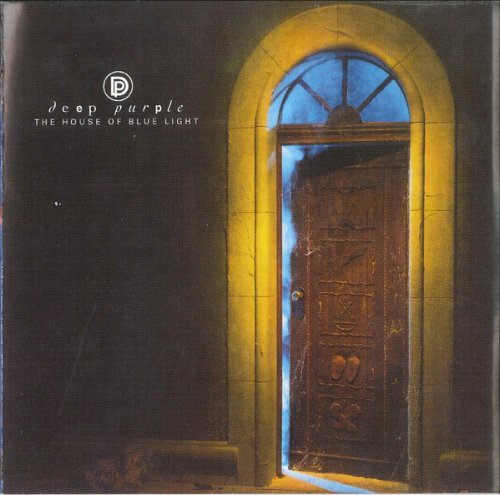
Artist: Deep Purple
Title: The House of Blue Light
Year Of Release: 1986 / 1999
Label: Polydor – 546 162-2 / Spectrum Music – 546 162-2 / CD, Reissue, Remastered
Genre: Classic Rock, Hard Rock
Quality: FLAC (tracks+.cue,log artwork)
Total Time: 46:23
Total Size: 418 Mb
WebSite: Album Preview
Tracklist: Title: The House of Blue Light
Year Of Release: 1986 / 1999
Label: Polydor – 546 162-2 / Spectrum Music – 546 162-2 / CD, Reissue, Remastered
Genre: Classic Rock, Hard Rock
Quality: FLAC (tracks+.cue,log artwork)
Total Time: 46:23
Total Size: 418 Mb
WebSite: Album Preview
01. Bad Attitude (4:44)
02. The Unwritten Law (4:35)
03. Call Of The Wild (4:51)
04. Mad Dog (4:30)
05. Black & White (3:40)
06. Hard Lovin' Woman (3:25)
07. The Spanish Archer (4:57)
08. Strangeways (5:57)
09. Mitzie Dupree (5:04)
10. Dead Or Alive (4:43)
Deep Purple has gone through numerous lineup changes over the years, with only drummer Ian Paice remaining with the band at each stage. In fact, there have been so many different versions of the band that a system of labeling has developed (MarkI, Mark II, Mark III, etc.), with most rock historians agreeing that the "Mark II" lineup was the strongest and most significant. The Mark II lineup itself had three distinct phases: the first during the band's most popular period, between 1969 and 1973, and the last with a single studio album in 1993. In between, the Mark II lineup underwent a significant "reunion" period between 1984 and 1988. House of Blue Light was formed at the heart of the band's renaissance, bringing a strong dose of classic rock legitimacy to an area dominated by modern trends and hair bands.
Following the surprise success of 1984's Perfect Stranger, the band struggled to record their next album, as much of the album had to be re-recorded after initial, unsuccessful attempts. Bassist Roger Glover had worked as a producer in the late 1970s and early 1980s, and continued to provide this service to the band after the Mark II lineup reunited. He chose a remote theater in northern Vermont to record the album, using a mobile recording rig to try to find the right atmosphere for the creative process. However, the band continued to have difficulties collaborating during recording and production, and some of their earlier personal differences resurfaced.
When the album was released in early 1987, there were different versions between LP/cassette and CD editions, with the CD version having slightly longer songs. Interestingly, when the album was remastered for the later digital release, the shorter LP versions of the songs were preserved for later listeners.
The first side of The House of Blue Light shows the band making a serious effort to create an 80s-style rock radio hit, and many have compared these songs to the songs of guitarist Ritchie Blackmore's Rainbow that survived between the two larger Mark II releases. This is especially true of the upbeat "Call Of The Wild", an easy-to-grasp, keyboard-driven tune with a sophisticated vocal. "Mad Dog" and "Black and White" continue this trend as punchy, straight-up 80s rockers that, frankly, could have been done by a number of bands less talented than Deep Purple.
One standout track is "The Unwritten Law", which is intense, drum-driven, and dramatic. Singer Ian Gillan harks back to his dynamic youth with his vocal improvisations, while Paice takes the lead, providing further evidence that he is one of rock and roll's most underrated drummers. The album's opener, "Bad Attitude," features keyboardist Jon Lord, who plays a Hammond organ through a Marshall kick drum, creating one of the coolest rock sounds ever.
The album's second side is actually much more interesting. The intense, riff-driven opener, "Hard Lovin'; Woman," is followed by the excellent "Spanish Archer," with Blackmore's surreal oriental flavor. With the members playing and singing with intense, reckless abandon, this song is a true classic of any Deep Purple era. "Strangeways" follows, a lyrically driven social outburst that is nonetheless cool and entertaining.
The bluesy "Mitzi DuPree" is one of the most unique songs on any Deep Purple album, with Gillen guiding the listener through a literal story about an exotic woman, accompanied by Lord's pub-style piano and Glover's laid-back bass.
Although the album was ultimately a commercial disappointment, the music on The House of Blue Light has stood the test of time. Deep Purple maintained its momentum in 1988 with the successful live album Nobody's Perfect , before Gillan briefly left the band again for personal reasons.
Following the surprise success of 1984's Perfect Stranger, the band struggled to record their next album, as much of the album had to be re-recorded after initial, unsuccessful attempts. Bassist Roger Glover had worked as a producer in the late 1970s and early 1980s, and continued to provide this service to the band after the Mark II lineup reunited. He chose a remote theater in northern Vermont to record the album, using a mobile recording rig to try to find the right atmosphere for the creative process. However, the band continued to have difficulties collaborating during recording and production, and some of their earlier personal differences resurfaced.
When the album was released in early 1987, there were different versions between LP/cassette and CD editions, with the CD version having slightly longer songs. Interestingly, when the album was remastered for the later digital release, the shorter LP versions of the songs were preserved for later listeners.
The first side of The House of Blue Light shows the band making a serious effort to create an 80s-style rock radio hit, and many have compared these songs to the songs of guitarist Ritchie Blackmore's Rainbow that survived between the two larger Mark II releases. This is especially true of the upbeat "Call Of The Wild", an easy-to-grasp, keyboard-driven tune with a sophisticated vocal. "Mad Dog" and "Black and White" continue this trend as punchy, straight-up 80s rockers that, frankly, could have been done by a number of bands less talented than Deep Purple.
One standout track is "The Unwritten Law", which is intense, drum-driven, and dramatic. Singer Ian Gillan harks back to his dynamic youth with his vocal improvisations, while Paice takes the lead, providing further evidence that he is one of rock and roll's most underrated drummers. The album's opener, "Bad Attitude," features keyboardist Jon Lord, who plays a Hammond organ through a Marshall kick drum, creating one of the coolest rock sounds ever.
The album's second side is actually much more interesting. The intense, riff-driven opener, "Hard Lovin'; Woman," is followed by the excellent "Spanish Archer," with Blackmore's surreal oriental flavor. With the members playing and singing with intense, reckless abandon, this song is a true classic of any Deep Purple era. "Strangeways" follows, a lyrically driven social outburst that is nonetheless cool and entertaining.
The bluesy "Mitzi DuPree" is one of the most unique songs on any Deep Purple album, with Gillen guiding the listener through a literal story about an exotic woman, accompanied by Lord's pub-style piano and Glover's laid-back bass.
Although the album was ultimately a commercial disappointment, the music on The House of Blue Light has stood the test of time. Deep Purple maintained its momentum in 1988 with the successful live album Nobody's Perfect , before Gillan briefly left the band again for personal reasons.
YuTube





![Daisy DeVell - UNDERWORLD (2026) [Hi-Res]](https://www.dibpic.com/uploads/posts/2026-10/1791891459_folder.jpg "Daisy DeVell - UNDERWORLD (2026) [Hi-Res]")
![Jocelyn Gould - So Delighted (2026) [Hi-Res]](https://www.dibpic.com/uploads/posts/2026-10/1791388700_1.jpg "Jocelyn Gould - So Delighted (2026) [Hi-Res]")