Polar Bear, Sebastian Rochford - Dim Lit (2004)
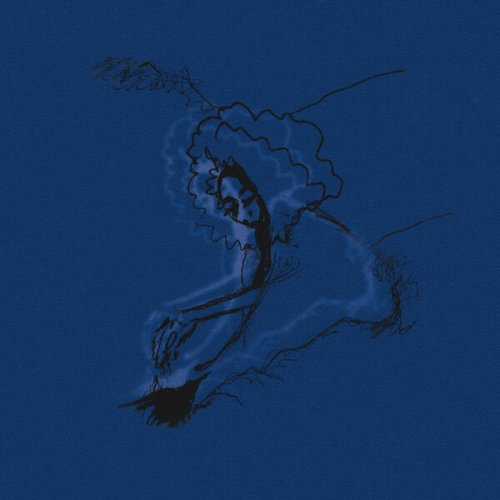
Artist: Polar Bear, Sebastian Rochford
Title: Dim Lit
Year Of Release: 2004
Label: Edition Records
Genre: Contemporary Jazz
Quality: mp3 320 kbps / flac lossless (tracks)
Total Time: 01:05:09
Total Size: 153 / 328 mb
WebSite: Album Preview
TracklistTitle: Dim Lit
Year Of Release: 2004
Label: Edition Records
Genre: Contemporary Jazz
Quality: mp3 320 kbps / flac lossless (tracks)
Total Time: 01:05:09
Total Size: 153 / 328 mb
WebSite: Album Preview
01. Heavy Paws On The Purple Floor
02. Not Here, Not Near
03. Eves Apple
04. Polar Bear Standing And Ready
05. Urban Kilt
06. Snow
07. Underneath You Can See Too Much
08. The Shapes In The Clouds Aren't Always Happy
09. New Dark Park
10. Wild Horses
When Polar Bear released Dim Lit in 2004, shortly after being nominated for Best Band at the BBC Jazz Awards, it was clear that the British quartet led by drummer Sebastian Rochford were going to make some waves. Mark Lockheart (sax) was already in the middle of a successful career, having played with Django Bates and been part of the seminal 1980s British big band Loose Tubes. Pete Wareham (sax) was playing with Rochford in Acoustic Ladyland. Tom Herbert added bass to the unusual dual-tenors frontline (with Wareham occasionally switching to baritone), and Polar Bear began a career as a band that was to last the next ten years and more. The collected contributions of the band to jazz projects before and since is formidable. This long overdue vinyl issue from Edition affords a good opportunity to review an album first released over twenty years ago.
The sound of the record, and of the band, is distinctive. The opening bars of Heavy Paws on the Purple Floor sound like, well, heavy paws on a purple floor. The sound is lumbering yet nimble; bass-heavy but lightened by the frenetic rim-work on Rochford's kit. As the record unfolds, that core sound will remain and, if you listen for it, so will the ponderous, limber sounds of a polar bear. It is neat. Standing out amidst the other excellent musicians here, Rochford's playing is a thing all of itself; at times the thudding toms and clacking rim and stand shots sound like nothing so much as a pile of bones dancing in an oil drum.
One of the many remarkable things about this record is how a band can cover so much ground and never sound like anything other than itself. There is surprise and delight at every turn. Polar Bear Standing and Ready begins with a simple three- note motif played first by one sax, then the other. The bass repeats it, then all three play it together and, after the slightest pause, they are off into a full-tilt, post-bop workout that would make Dexter Gordon giddy. Once they have smashed through the head, with the scene set for a ripping sax solo, the band instead takes a breath and the bass and drums go for a stroll, leaving the listener wrong- footed.
Urban Kilt is a wonderfully loose and edgy number that allows the band plenty of room to stretch out and dip a toe into free jazz. The playing throughout is excellent, with the musicians tumbling around each other in sometimes hectic conversations, playing under, over, with and in-between each other. This is a jazz record without doubt, but there are hints of ska, of punk and of The Dirty Dozen Brass Band.
Including a single vocal number is an interesting decision which could easily have upset the balance of the record, but Snow works brilliantly. Julia Biel's voice is a good fit for the tonality of the ensemble. The band temper their rumbustious playing to sound restrained but still recognizably the same band as elsewhere, and the result is lovely. What could have been a track to skip is instead a track to look forward to.
On Wild Horses they make a bigger and more beautiful sound that by rights they ought to be able to. While one horn is stating the theme, the other is skittering away in the background. Cello and viola blend seamlessly with the horns in glowing chords. Later, something, who knows what, makes a sound remarkably like seagulls crying.
Charming, challenging and joyous throughout, this is, simply, a wonderful record. The vinyl edition adds nothing to the track listing (thankfully) but does allow the music to really breath. Pound for pound, investment in a good vinyl system is likely to offer greater separation and a wider, deeper sound stage which makes listening, certainly in this case, more immersive, putting you in the middle of the music rather than in front of it. It could have shown up any weaknesses in Rochford's original production, but on the contrary, it sounds better than on CD. The difference is subtle, but it is there.
This is a tremendous record, and one that changed the course of British jazz. Although generally modestly paced, it bursts with energy and invention. As a direct influence on other musicians, and as a springboard for the careers of the musicians here, especially Rochford, it must be a contender to be amongst the most important jazz releases of the first quarter of this century. Although they have surpassed this record since, it remains indispensable.
![Glotze, Pei Ann Yeoh, Elisabeth Coudoux - IIc (2026) [Hi-Res]](https://img.israbox.com/img/2026-10/09/owpwo61q4rodakf8d0zeh1ba4.jpg "Glotze, Pei Ann Yeoh, Elisabeth Coudoux - IIc (2026) [Hi-Res]")
![Matt McMahon - Burra Korain (2026) [Hi-Res]](https://img.israbox.com/img/2026-10/08/xb1y7h3y6lcfkbetrs8hx01gr.jpg "Matt McMahon - Burra Korain (2026) [Hi-Res]")