Richard Sinclair - The Museum of Recorded Things (2025) Hi-Res
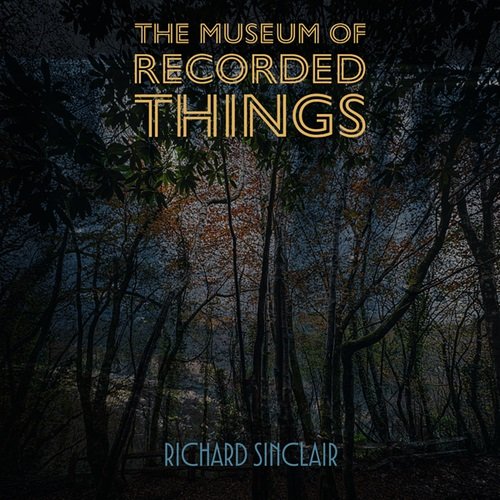
Artist: Richard Sinclair
Title: The Museum of Recorded Things
Year Of Release: 2025
Label: Czar Records
Genre: Prog Rock, Canterbury Scene, Jazz-Rock, New Age
Quality: Mp3 320 / Flac (tracks, 16bit/44,1kHz) / Flac (tracks, 24bit/44,1kHz)
Total Time: 49:52
Total Size: 120/259/499 Mb
WebSite: Album Preview
Tracklist:Title: The Museum of Recorded Things
Year Of Release: 2025
Label: Czar Records
Genre: Prog Rock, Canterbury Scene, Jazz-Rock, New Age
Quality: Mp3 320 / Flac (tracks, 16bit/44,1kHz) / Flac (tracks, 24bit/44,1kHz)
Total Time: 49:52
Total Size: 120/259/499 Mb
WebSite: Album Preview
01. The Reversal of Autumn 4:50
02. The Soft Embrace of Silence 4:01
03. Beyond the Tallest Tree 3:46
04. Ambient Alchemy 3:52
05. Octagonal Osmosis 4:18
06. Rationally Elliptic 3:43
07. That October Moment 4:24
08. The Call of the Twilight Angels 4:39
09. The Colour of the Rain 4:18
10. The Translucent Machine 3:12
11. The Grey Light of Dawn 5:00
12. The Wreck of the Helvetica 3:50
"The Museum of Recorded Things" (2025) is a solo album by British bassist, vocalist, and composer Richard Sinclair, a key figure in the Canterbury Scene, known for his work with Caravan, Hatfield and the North, Camel, and Hatfield & The North / National Health.
The album is a collection of subtle, atmospheric compositions featuring Sinclair's signature soft vocals and melancholic jazz harmonies. The album's title, "The Museum of Recorded Things," reflects the concept of looking back at archival recordings, unrealized conceptual sketches, and intimate ambient material. In contrast to the early dynamic jazz-rock of the Canterbury school, the release leans toward a more measured, acoustic, and meditative sound with elements of contemplative progressive folk and ambient.
The album is a collection of subtle, atmospheric compositions featuring Sinclair's signature soft vocals and melancholic jazz harmonies. The album's title, "The Museum of Recorded Things," reflects the concept of looking back at archival recordings, unrealized conceptual sketches, and intimate ambient material. In contrast to the early dynamic jazz-rock of the Canterbury school, the release leans toward a more measured, acoustic, and meditative sound with elements of contemplative progressive folk and ambient.



![JazzPreacher & Juhani Aaltonen - Sacred Movements: Poems Spiritual & Political (2026) [Hi-Res]](https://img.israbox.com/img/2026-10/18/786if7mln36tezqlh8fbn0lvk.jpg "JazzPreacher & Juhani Aaltonen - Sacred Movements: Poems Spiritual & Political (2026) [Hi-Res]")