Hatka - Quartet (2026) [Hi-Res]
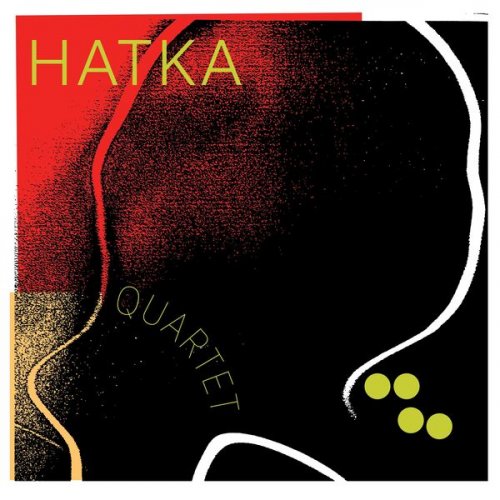
Artist: Hatka
Title: Quartet
Year Of Release: 2026
Label: Mustik Motel
Genre: Jazz, Free Jazz
Quality: mp3 320 kbps / flac lossless (tracks) / flac 24bits - 48.0kHz
Total Time: 00:44:27
Total Size: 103 / 278 / 531 mb
WebSite: Album Preview
TracklistTitle: Quartet
Year Of Release: 2026
Label: Mustik Motel
Genre: Jazz, Free Jazz
Quality: mp3 320 kbps / flac lossless (tracks) / flac 24bits - 48.0kHz
Total Time: 00:44:27
Total Size: 103 / 278 / 531 mb
WebSite: Album Preview
01. Nokia Calling
02. Peace Piece
03. ETS
04. Piilo
05. Sydän Kurkussa
06. Saari
07. Hulva-tone
It would be difficult to overstate the intent behind Mustik Motel — an imprint born in Tampere with a simple ethos: melody, harmony and rhythm as shared language, jazz as common ground, the world as village. Founded by Antti Kujala (aka DJ Jukola, Radio Soho Tampere) and Jarno Alho, the label is dedicated to spreading music that engages and challenges, and Hatka here fits naturally into this vision. The release carries a quiet sense of purpose, born out of the urge to capture live energy, improvisation, and human interplay.
Hatka appear here as a transatlantic free-jazz trio where three seasoned improvisers operate as a single listening organism: Alan Wilkinson (alto saxophone, bass clarinet, voice), Darin Gray (upright bass, preparations, electronics), and Janne Tuomi (drums, percussion). The music was captured shortly after their first 2025 Telakka Jazz performance — on Sunday, 5 January at Matkastudio Nokia — while the energy of the festival performance still lingered. Rather than following a traditional “soloist plus rhythm section” structure, Hatka function as equals: shaping resonance, tension, silence, and sudden momentum together. Their sound exists in the overlap of free jazz, electro-acoustic textures, and raw improvisation, with a focus on physicality and space, unpredictability and subtle electronics that never dominate.
The album is titled Quartet for a reason. Saxophonist Jone Takamäki was originally intended to be the fourth voice for both the live performance and studio session. Takamäki — a major figure in Finnish avant-garde and improvised music since the late 1970s — had an extensive career: first Pekka Pöyry Award winner in 1981, early collaborations with Antti Hytti and Samppa Salmi, Edward Vesala’s Sound and Fury workshops, ECM-signed collective Krakatau, and ensembles such as Otná Eahket and Suhkan. He was also a specialist in the Japanese shakuhachi and hocchiku flutes, performing solo and in duos, and with Japanese butoh dancer Aki Suzuki. Takamäki’s absence from the recording became especially poignant following his passing in the summer of 2025. Quartet became both a memory piece and an homage: a way to honour his sound, presence, and life.
Side A opens with “Nokia Calling”, where Wilkinson immediately asserts a dominant, freewheeling presence, Tuomi drives the drums at full energy, and Gray’s bass revolves and anchors the soundstage. “Peace Piece” slows the pace, with subtle bowed bass, sax screeches, and a darker, moody tonal palette. “ETS” ventures further into exploratory improvisation, as the trio navigates the space between melody and texture. At the same time “Piilo” focuses on bass clarinet and percussive interplay, remaining firmly in the avant-garde without traditional melodic structure.
Side B begins with “Sydän Kurkussa”, featuring tribal vocal elements and a drone-like blend of reed and resonance that transforms the landscape. “Saari” (10:57) is the album’s longest and most expansive adventure, an almost cosmic improvisation that nods in spirit to Sun Ra without imitation, allowing space for sonic evolution and dialogue. Closing with “Hulva-tone”, Tuomi is given wider rhythmic freedom, and the trio push into an energetic and expressive finale, complete with shouts and dynamic interplay.
The electronics are subtle throughout, supporting rather than controlling the session. This is improvisation at full tilt: bold, sometimes challenging, and adventurous, but never gratuitous. Listeners unfamiliar with the lineage of the Art Ensemble of Chicago or the vocal experiments of Leon Thomas may find aspects of the recording intense, but that is part of the point — Hatka do not hold back. With improvisers of this experience, Quartet is a vivid document of listening, reacting, and creating in real time.
Ultimately, Quartet is as much about absence as presence. Takamäki’s intended contribution lingers in memory, shaping the emotional texture of the recording. The trio navigate these uncharted waters with skill, patience, and intensity, making this a record that is both a document of a specific moment in time and a lasting testament to the adventurous spirit of contemporary free jazz. Whether experienced live or in the studio, Hatka’s Quartet is an uncompromising, thrilling journey into sound.
![Gino Marinacci - Gino Marinacci (2026) [Hi-Res]](https://img.israbox.com/img/2026-10/10/kdlhrz4fj6q9uwisny71dtfvo.jpg "Gino Marinacci - Gino Marinacci (2026) [Hi-Res]")