Sputter Box - Snapshots & Serenades (2026) Hi-Res
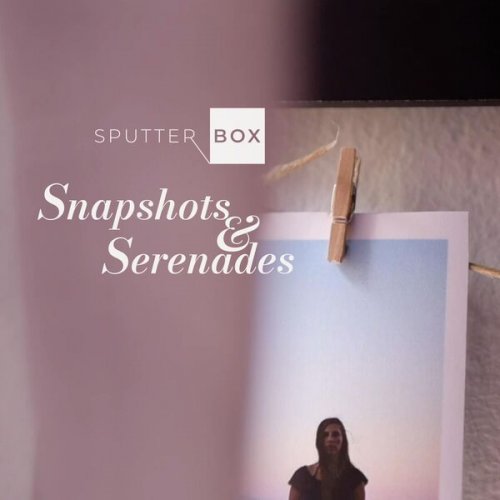
Artist: Sputter Box
Title: Snapshots & Serenades
Year Of Release: 2026
Label: New Focus Recordings
Genre: Classical
Quality: FLAC 16/24 Bit (96 KHz / tracks+booklet)
Total Time: 39:45 min
Total Size: 165 / 684 MB
WebSite: Album Preview
Tracklist:Title: Snapshots & Serenades
Year Of Release: 2026
Label: New Focus Recordings
Genre: Classical
Quality: FLAC 16/24 Bit (96 KHz / tracks+booklet)
Total Time: 39:45 min
Total Size: 165 / 684 MB
WebSite: Album Preview
01. Exchanges
02. Snapshot of the Red Eclipse
03. Vita vana
04. Stillness to
05. Doublespeak
06. Séance Serenade
Sputter Box is a voice, clarinet, and percussion trio based in New York City actively commissioning a broad and engaging range of new works for their instrumentation. Snapshots & Serenades features several highlights from their commissioning advocacy, including music by Martha Callison Horst, Allison McIntosh, Filippo Scaramucci, Daijana Wallace and Kakia Gkoudina, Bethany Younge, and Brendan Sweeney. The musicians of Sputter Box deliver committed, powerful performances of this repertoire as it covers a wide and ambitious range of dramatic territory, particularly for a small chamber instrumentation. The trio presents these premieres with well thought out and refined interpretations, as if they were already part of the seasoned repertoire.
Martha Callison Horst’s Exchanges, originally composed for the Chicago based Fonema Consort, and later adapted for Sputter Box, is effectively a wordless vocalise, approaching the voice as a third instrument in the ensemble. The sound color of Alina Tamborini’s vowels and consonants is as important as her pitches, as Callison finds fascinating common ground between the sung and played timbres. Callison’s exploration of shared sonic territory reveals illuminating affinities as well as immutable differences, but the composite result is one of imitative symbiosis and lush cohesion.
Snapshot of the Red Eclipse, by Allison McIntosh, behaves nominally as a more conventional art song that the Callison, with a text by poet Anna Goodson and a narrative vocal presentation of the text with instrumental accompaniment and responsive figuration. But its evocative expressive setting and especially its broad range of gongs, bells, and triangles make for a uniquely dramatic work that examines the presence of violence and hunger in portrayals of female sexuality.
An insistent bass drum figure opens the sardonic Vita Vana by Filippo Scaramucci, a setting of a short text by Italian poet Tito Balestra that skewers superficiality and vanity. Scaramucci’s texture is spare and dry, with silences between detached motives creating a biting, unforgiving quality. The vocal phrases are terse and occasionally embellished with microtonal inflections that drip with disdain. As the piece progresses, the patience of our protagonist wears thin before Tamborini erupts with a scathing series of repeated utterances of “Vita vana” that ultimately recede into derisive whispers.
Composer Daijana Wallace and video artist Kakia Gkoudina teamed up on stillness to........, a multi-media work that narrates an inner dialogue through pivotal life moments. Wallace and Gkoudina have created an earnest work where the music supports specific semantic touchpoints in the text. The work effectively moves smoothly between accompanied spoken word and more lyrically atmospheric textures, creating a musical experience distinct from the other works in the collection.
If stillness to........ uses personal, inward language to delve into questions of meaning, Doublespeak deconstructs language to create a Dadaist splintering of the semantics of five words that, in their typical usage, signal continuity. Gasping inhales, warbling textures that evoke yodeling, and playful syllabic figuration in the voice are mirrored with fragmentary material in the clarinet and percussion. Younge excavates a remarkable theatricality from these shards of words, creating a sonic landscape whose expressive power comes from visceral gestures instead of discernible text. Dramatic pauses in the musical fabric add to a sense that a deliberative ritual is spinning out beyond rationality and into a cathartic realm.
The final work on the recording is Brendan Sweeney’s Séance Serenade. Sweeney composed the piece from a fantastic premise; a 1950s séance style board game goes awry and a soprano becomes inhabited by the ghosts of dead composers. Through this thought experiment, Sweeney interrogates the underpinnings of the role of the interpretive performer, the inheritor of the composer’s voice through a live realization of a score. The vocal writing is at turns dramatic, virtuosic, and humorous, leaning heavily on the operatic tradition as its canvas for examination of the phenomenon of bringing centuries old repertoire to life. Instrumental interludes alternate between playful and mournful, separating the increasingly unhinged soprano episodes as she becomes possessed by the spirits of artists past.
- Dan Lippel
Martha Callison Horst’s Exchanges, originally composed for the Chicago based Fonema Consort, and later adapted for Sputter Box, is effectively a wordless vocalise, approaching the voice as a third instrument in the ensemble. The sound color of Alina Tamborini’s vowels and consonants is as important as her pitches, as Callison finds fascinating common ground between the sung and played timbres. Callison’s exploration of shared sonic territory reveals illuminating affinities as well as immutable differences, but the composite result is one of imitative symbiosis and lush cohesion.
Snapshot of the Red Eclipse, by Allison McIntosh, behaves nominally as a more conventional art song that the Callison, with a text by poet Anna Goodson and a narrative vocal presentation of the text with instrumental accompaniment and responsive figuration. But its evocative expressive setting and especially its broad range of gongs, bells, and triangles make for a uniquely dramatic work that examines the presence of violence and hunger in portrayals of female sexuality.
An insistent bass drum figure opens the sardonic Vita Vana by Filippo Scaramucci, a setting of a short text by Italian poet Tito Balestra that skewers superficiality and vanity. Scaramucci’s texture is spare and dry, with silences between detached motives creating a biting, unforgiving quality. The vocal phrases are terse and occasionally embellished with microtonal inflections that drip with disdain. As the piece progresses, the patience of our protagonist wears thin before Tamborini erupts with a scathing series of repeated utterances of “Vita vana” that ultimately recede into derisive whispers.
Composer Daijana Wallace and video artist Kakia Gkoudina teamed up on stillness to........, a multi-media work that narrates an inner dialogue through pivotal life moments. Wallace and Gkoudina have created an earnest work where the music supports specific semantic touchpoints in the text. The work effectively moves smoothly between accompanied spoken word and more lyrically atmospheric textures, creating a musical experience distinct from the other works in the collection.
If stillness to........ uses personal, inward language to delve into questions of meaning, Doublespeak deconstructs language to create a Dadaist splintering of the semantics of five words that, in their typical usage, signal continuity. Gasping inhales, warbling textures that evoke yodeling, and playful syllabic figuration in the voice are mirrored with fragmentary material in the clarinet and percussion. Younge excavates a remarkable theatricality from these shards of words, creating a sonic landscape whose expressive power comes from visceral gestures instead of discernible text. Dramatic pauses in the musical fabric add to a sense that a deliberative ritual is spinning out beyond rationality and into a cathartic realm.
The final work on the recording is Brendan Sweeney’s Séance Serenade. Sweeney composed the piece from a fantastic premise; a 1950s séance style board game goes awry and a soprano becomes inhabited by the ghosts of dead composers. Through this thought experiment, Sweeney interrogates the underpinnings of the role of the interpretive performer, the inheritor of the composer’s voice through a live realization of a score. The vocal writing is at turns dramatic, virtuosic, and humorous, leaning heavily on the operatic tradition as its canvas for examination of the phenomenon of bringing centuries old repertoire to life. Instrumental interludes alternate between playful and mournful, separating the increasingly unhinged soprano episodes as she becomes possessed by the spirits of artists past.
- Dan Lippel
![Daisy DeVell - UNDERWORLD (2026) [Hi-Res]](https://www.dibpic.com/uploads/posts/2026-10/1791891459_folder.jpg "Daisy DeVell - UNDERWORLD (2026) [Hi-Res]")

![Marek De Vann featuring Paolo Apollo Negri - Stereotyping (2026) [Hi-Res]](https://www.dibpic.com/uploads/posts/2026-10/1791717328_m0etmyfd1688x_600.jpg "Marek De Vann featuring Paolo Apollo Negri - Stereotyping (2026) [Hi-Res]")