The Gents - The Gentlemen Of The Chapel Royal (2002) [Hi-Res]
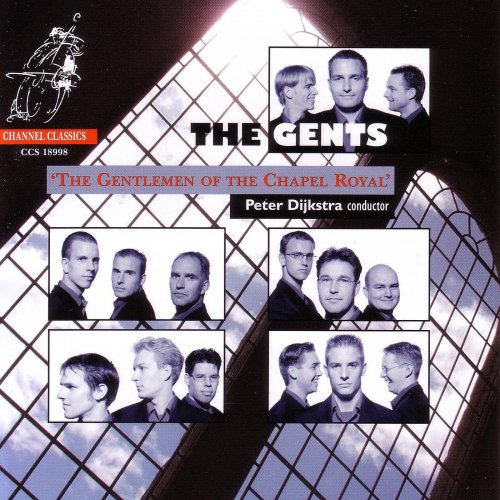
Artist: Diapente Viol Consort, Niec van der Meulen, Robert Kuizenga, Siebe Henstra, The Gents, Peter Dijkstra
Title: The Gentlemen Of The Chapel Royal
Year Of Release: 2002
Label: Channel Classics Records
Genre: Classical
Quality: FLAC (tracks, booklet) [192kHz/24bit]
Total Time: 1:14:42
Total Size: 2.32 GB / 381 MB
WebSite: Album Preview
Tracklist:Title: The Gentlemen Of The Chapel Royal
Year Of Release: 2002
Label: Channel Classics Records
Genre: Classical
Quality: FLAC (tracks, booklet) [192kHz/24bit]
Total Time: 1:14:42
Total Size: 2.32 GB / 381 MB
WebSite: Album Preview
1. Ave Maria (05:15)
2. Lord, to Thee I make my moan (03:10)
3. Ave Verum Corpus (04:23)
4. Deliver us, O Lord (03:41)
5. Ave Maria, Mater Dei (02:33)
6. Christe, qui lux es et dies (01:32)
7. Christe, qui lux es et dies (04:43)
8. Paradizo (03:17)
9. The Sighes (01:31)
10. The Honi-suckle (01:21)
11. Eliza, her name gives honour (02:03)
12. Incpit Lamentatio Jeremiae Prophetae I (08:55)
13. In depth no man remembreth Thee (01:52)
14. Psalm 106:4, Remember me, O Lord (03:07)
15. Incipet Lamentatio Jeremiae Prophetae II (11:02)
16. Eliza is the fairest Queen (02:27)
17. A Fancie in C Major from Mye Ladye Nevells Booke (06:10)
18. Salvator mundi (02:45)
19. Credo quod Redemptor (03:08)
20. Miserere nostri (02:23)
Perhaps it's an example of a characteristically Dutch sense of humor to have a group called the Gents performing music by the Gentlemen of the Chapel Royal, the court composers of sixteenth century England. But when the group gets down to the music, it's all business. The Gents are not an English but a Dutch ensemble, formed of veterans of one of Holland's top boys' choirs. They have put together an exceptionally fine program that gets into the meat of the English tradition without giving it the layers of reverence that the music can take on when done by English cathedral choirs who have been at it for centuries. As would a day of music heard by Henry VIII or Elizabeth I, the program mixes sacred polyphony with a few madrigals, organ pieces, and viol works -- and in so doing illuminates the ways in which these traditions shaped each other. The inclusion of a work like Robert White's comparatively little-heard Christe, qui lux es et dies, a version for viols of an originally vocal sacred piece, shows how the viol consort tradition was rooted in sacred polyphonic art. But the real beauties of the album reside in the vocal performances themselves. The Gents have a sound both precise and lush. Just 16 strong, they deliver plenty of power in the two big works by Alfonso Ferrabosco I (tracks 12 and 15), an Italian transplant who worked in an imposing style of Catholic music that was, over time, replaced under Anglican influence by simpler textures. More transparent music, in English, is done equally well; sample the psalm settings by Thomas Weelkes, tracks 2 and 4, for examples. The only source of complaint here is the skimpy booklet, which skims over the material and provides no texts at all -- but despite their non-English origins, the Gents articulate the words of the English-language pieces well enough that most listeners will understand them. This is an excellent introduction to English sacred music of the sixteenth century, covering a broad chronological sweep. ~ James Manheim
![Caleb Wheeler Curtis & Jason Moran - Incantation (2026) [Hi-Res]](https://www.dibpic.com/uploads/posts/2026-10/1792842934_cover.jpg "Caleb Wheeler Curtis & Jason Moran - Incantation (2026) [Hi-Res]")
![Gérald Fried - Gerald Fried Melodramas: Twenty Plus Two / A Cold Wind In August (Original Score) (2026) [Hi-Res]](https://img.israbox.com/img/2026-10/27/x3crfozugfh0lyo8sdvxjagvb.jpg "Gérald Fried - Gerald Fried Melodramas: Twenty Plus Two / A Cold Wind In August (Original Score) (2026) [Hi-Res]")
![Cabrita - Party Time (2026) [Hi-Res]](https://img.israbox.com/img/2026-10/25/cp1p5p6u0urmernadc2lbrkvq.jpg "Cabrita - Party Time (2026) [Hi-Res]")
![Gérald Fried - The Grissom Gang (Original Score) (2026) [Hi-Res]](https://img.israbox.com/img/2026-10/27/yb121c63zmnuxop9faj684d1k.jpg "Gérald Fried - The Grissom Gang (Original Score) (2026) [Hi-Res]")