La Maschera Di Cera - The Gates of Tomorrow (2013)
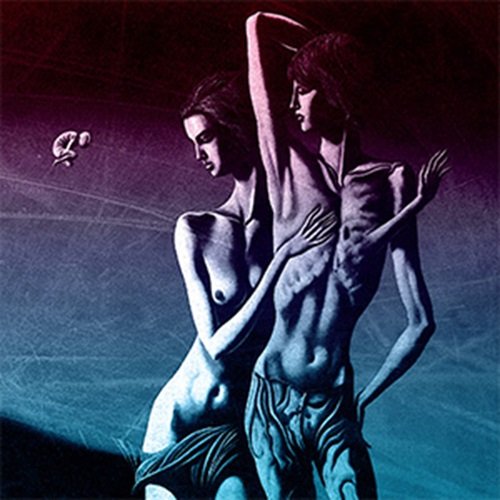
Artist: La Maschera Di Cera
Title: The Gates of Tomorrow
Year Of Release: 2013
Label: AMS
Genre: Prog Rock, Symphonic Prog
Quality: Mp3 320 / Flac (tracks)
Total Time: 45:28
Total Size: 109/301 Mb
WebSite: Album Preview
Tracklist:Title: The Gates of Tomorrow
Year Of Release: 2013
Label: AMS
Genre: Prog Rock, Symphonic Prog
Quality: Mp3 320 / Flac (tracks)
Total Time: 45:28
Total Size: 109/301 Mb
WebSite: Album Preview
01. Back from the Void 8:40
02. The 1000 Years' Warfare 4:33
03. Chant of Him 2:51
04. The Deepest Chasm 5:45
05. Chant of Her 4:48
06. Metaphysical Journey 3:49
07. Dawn in the Temple 4:24
08. A Word for Two Worlds 5:11
09. At the Gates of Tomorrow 5:27
The Gates of Tomorrow is the English-language version of the album Le Porte del Domani by the Italian symphonic progressive rock band La Maschera Di Cera, released on March 12, 2013, via Immaginifica (with support from AMS Records and BTF).
The Gates of Tomorrow is a conceptual sequel to the iconic album Dedicato a Fella (1973) by the renowned Italian prog band Museo Rosenbach. Museo Rosenbach member Stefano "Lupo" Galifi contributed vocals to the Italian version (Le Porte del Domani), and for the international English-language version of The Gates of Tomorrow, the vocals were re-sung in English.
Musically, the album is exemplary symphonic art rock: a powerful rhythm section, dense walls of analog keyboard sound, vintage flute, and frequent rhythmic shifts. The album is divided into two large-scale logical parts (4 and 5 tracks respectively).
The Gates of Tomorrow is a conceptual sequel to the iconic album Dedicato a Fella (1973) by the renowned Italian prog band Museo Rosenbach. Museo Rosenbach member Stefano "Lupo" Galifi contributed vocals to the Italian version (Le Porte del Domani), and for the international English-language version of The Gates of Tomorrow, the vocals were re-sung in English.
Musically, the album is exemplary symphonic art rock: a powerful rhythm section, dense walls of analog keyboard sound, vintage flute, and frequent rhythmic shifts. The album is divided into two large-scale logical parts (4 and 5 tracks respectively).
![Projecte Astrolabi - L'Antiga Energia (2026) [Hi-Res]](https://www.dibpic.com/uploads/posts/2026-10/1792488609_cover.jpg "Projecte Astrolabi - L'Antiga Energia (2026) [Hi-Res]")
![Danny Green - Let the Music Happen (2026) [Hi-Res]](https://img.israbox.com/img/2026-10/22/mdm41zc1afaeopu7ne8yr2rf3.jpg "Danny Green - Let the Music Happen (2026) [Hi-Res]")


![Yacouba Trio - Kiss My Jazz (2026) [Hi-Res]](https://www.dibpic.com/uploads/posts/2026-10/1792516050_folder.jpg "Yacouba Trio - Kiss My Jazz (2026) [Hi-Res]")
![Cheryl Durongpisitkul - I Still Miss You (2026) [Hi-Res]](https://img.israbox.com/img/2026-10/23/7qon5kbl0ub4adq92homcpc1a.jpg "Cheryl Durongpisitkul - I Still Miss You (2026) [Hi-Res]")
![Pan Amsterdam - Panarama (2026) [Hi-Res]](https://img.israbox.com/img/2026-10/21/3enfaqwdr2e3xydj1nj9xdfm2.jpg "Pan Amsterdam - Panarama (2026) [Hi-Res]")