Munich Radio Orchestra, Patrick Hahn and Johannes Silberschneider - Johann Strauss: Perpetuum Mobile (2026) [Hi-Res]
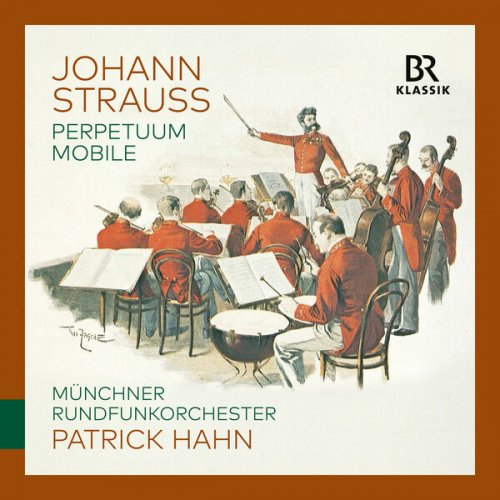
Artist: Munich Radio Orchestra, Patrick Hahn, Johannes Silberschneider
Title: Johann Strauss: Perpetuum Mobile
Year Of Release: 2026
Label: BR-Klassik
Genre: Classical
Quality: FLAC (tracks) / 24bit-48kHz FLAC (tracks)
Total Time: 53:55
Total Size: 237 / 552 MB
WebSite: Album Preview
Tracklist:Title: Johann Strauss: Perpetuum Mobile
Year Of Release: 2026
Label: BR-Klassik
Genre: Classical
Quality: FLAC (tracks) / 24bit-48kHz FLAC (tracks)
Total Time: 53:55
Total Size: 237 / 552 MB
WebSite: Album Preview
1. Strauss: Perpetuum mobile (2:36)
2. Strauss: Nordseebilder. Walzer (8:29)
3. Strauss: Revolutions-Marsch (2:53)
4. Strauss: Csardas from Ritter Pasman (4:44)
5. Tausend und eine Nacht, Op. 346: Intermezzo (Live) (7:22)
6. Strauss: Ouverture from Der Zigeunerbaron (7:49)
7. Strauss: Vom Donaustrande, Polka (2:41)
8. Strauss: Carnevalsbilder. Walzer (6:37)
9. Strauss: Vorspiel from Klaenge aus der Raimundzeit (7:43)
10. Perpetuum mobile (RAP Version) (3:05)
In addition to the popular potpourri overture to Johann Strauss II’s operetta ‘The Gypsy Baron’ (1885) and the musical joke ‘Perpetuum mobile’, the programme of the new album from BR-KLASSIK features mostly lesser-known, yet no less rousing compositions by the ‘Viennese Waltz King’, all of them studio productions.
Johann Strauss II inherited his father’s entrepreneurial passion and artistic mastery. He succeeded in further refining and expanding the repertoire, particularly in the form of the grand concert waltz. This album features the ‘Revolutionary March’ Op. 54 (1848), as well as ‘Perpetuum mobile – A Musical Joke’ Op. 257 (1861) and the Intermezzo from the operetta ‘1001 Nights’ (1871/1906). The waltz ‘Carnevalsbilder’ Op. 357 (1873) and the fast polka ‘Vom Donaustrande’ Op. 356 (1873) are both based on melodies from the operetta ‘The Carnival in Rome’. The waltz ‘Nordseebilder’ Op. 390 (1879), the overture to the operetta ‘Der Zigeunerbaron’ (1885), and the ‘Csárdás’ from Strauss’s only opera ‘Ritter Pásmán’ (1892) are also included, as is the musical prelude ‘Klänge aus der Raimundzeit’ Op. 479 (1898).
Johann Strauss II inherited his father’s entrepreneurial passion and artistic mastery. He succeeded in further refining and expanding the repertoire, particularly in the form of the grand concert waltz. This album features the ‘Revolutionary March’ Op. 54 (1848), as well as ‘Perpetuum mobile – A Musical Joke’ Op. 257 (1861) and the Intermezzo from the operetta ‘1001 Nights’ (1871/1906). The waltz ‘Carnevalsbilder’ Op. 357 (1873) and the fast polka ‘Vom Donaustrande’ Op. 356 (1873) are both based on melodies from the operetta ‘The Carnival in Rome’. The waltz ‘Nordseebilder’ Op. 390 (1879), the overture to the operetta ‘Der Zigeunerbaron’ (1885), and the ‘Csárdás’ from Strauss’s only opera ‘Ritter Pásmán’ (1892) are also included, as is the musical prelude ‘Klänge aus der Raimundzeit’ Op. 479 (1898).

![Warne Marsh Quartet - Music For Prancing (1957) [2009] Hi-Res](https://www.dibpic.com/uploads/posts/2026-10/1791823835_cover.jpg "Warne Marsh Quartet - Music For Prancing (1957) [2009] Hi-Res")