Jaymie Silk - Until We Meet Again (2026)
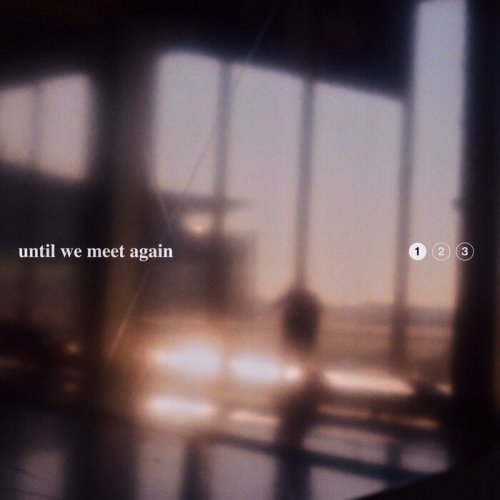
Artist: Jaymie Silk
Title: Until We Meet Again
Year Of Release: 2026
Label: Intercept – INT 094
Genre: Techno, House, Experimental
Quality: 16bit-44,1kHz FLAC / 24bit-44,1kHz FLAC
Total Time: 45:15
Total Size: 206 mb / 441 mb
WebSite: Album Preview
TracklistTitle: Until We Meet Again
Year Of Release: 2026
Label: Intercept – INT 094
Genre: Techno, House, Experimental
Quality: 16bit-44,1kHz FLAC / 24bit-44,1kHz FLAC
Total Time: 45:15
Total Size: 206 mb / 441 mb
WebSite: Album Preview
1. Until We Meet Again (04:34)
2. Anima Animus (04:31)
3. One Day You'll Understand (04:08)
4. Green Eyes (03:06)
5. See You Soon (02:23)
6. Albatross (03:01)
7. Dreams Of Peace (04:27)
8. The Great Escape (03:51)
9. Fountain Of Youth (06:02)
10. Focus Melody (03:22)
11. Imago (05:50)
"Until We Meet Again” marks a rupture: a deliberate return to meaning and emotion through slowness. The project blends ambient and electronic textures with Jaymie’s hip-hop roots and Black music influences, forming a patchwork of memories and reflections. A sonic diary that resists the logic of speed and consumption. More than a title, “Until We Meet Again” is an invitation to meet yourself again, to breathe, and to rediscover something real in a world overflowing with noise. “Dedicated to the people we met, the ones we once loved, the ones we lost, and the parts of ourselves we had to let go of to evolve. It speaks to those who closed doors on us, believing we were not worthy, and to those who feel lost, until they find their new selves… until we meet again.
Until We Meet Again” was created at a time when music is consumed faster than ever. With over 120,000 tracks uploaded to Spotify daily and the rise of AI-generated music (50,000 fully AI-generated tracks added every day on Deezer), sound has become disposable, reduced to “audio content.” This climate slowly drained Jaymie’s love for making music, as the electronic scene began to treat community and culture as mere buzzwords in a world of industrialization, corporate influence and fast-food productivity.
After making noise in the club music world, house and techno, with ultra-rhythmic albums, EPs, and singles, Jaymie began to feel that club music was losing its meaning. By publishing actively on Instagram through his “Food for Thoughts” series and on Substack, and by taking part in talks across Europe about the creative industries and the dynamics of oppression, the search for meaning became essential, and it had to be audible in the music.
Faced with the reality of the industry, problematic investments, boycotts (Boiler Room, KKR...), abuse cases and geopolitical situations we can’t ignore producing music stopped making sense. How can we pretend to be happy and dance together while the world is burning? Since Jaymie has always viewed music as political, how can it stand as a statement in itself?
DOWNLOAD FLAC
Jaymie Silk - Until We Meet Again
DOWNLOAD FLAC
Jaymie Silk - Until We Meet Again 24-44,1
![David Caswell - Serendipity (2026) [Hi-Res]](https://img.israbox.com/img/2026-08/31/b478zdr27nscj76ac3i5r26y8.jpg "David Caswell - Serendipity (2026) [Hi-Res]")
![Rock City Falls Trio - Signal (2026) [Hi-Res]](https://img.israbox.com/img/2026-08/29/pxew3lwqdsfly673wqn2mwrjf.jpg "Rock City Falls Trio - Signal (2026) [Hi-Res]")


![Alicia Witt - Between Heaven and Earth (2026) [Hi-Res]](https://img.israbox.com/img/2026-08/29/vdfub0as4sebuz9ep06t3j7q4.jpg "Alicia Witt - Between Heaven and Earth (2026) [Hi-Res]")
![VA - The Art of HiFi Vol. 5: Woodwinds (2024) [DSD256]](https://www.dibpic.com/uploads/posts/2026-08/1787904050_oct0.jpg "VA - The Art of HiFi Vol. 5: Woodwinds (2024) [DSD256]")