Utopia Ensemble & Psallentes - Our Lady of Antwerp. A Musical Path to Rubens (2026) [Hi-Res]
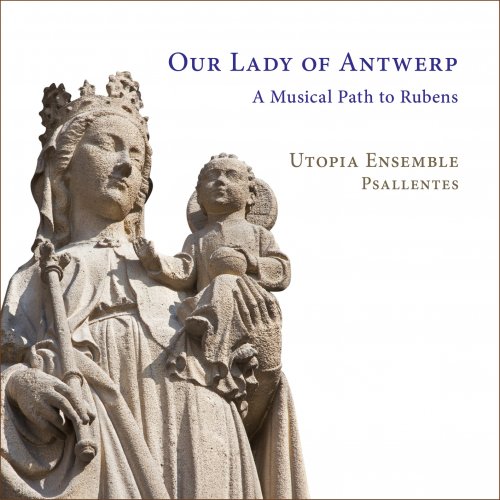
Artist: Utopia Ensemble, Psallentes
Title: Our Lady of Antwerp. A Musical Path to Rubens
Year Of Release: 2026
Label: Ramée
Genre: Classical
Quality: FLAC (tracks) / 24bit-96kHz FLAC (tracks+booklet)
Total Time: 01:04:11
Total Size: 301 MB / 1.19 GB
WebSite: Album Preview
Tracklist:Title: Our Lady of Antwerp. A Musical Path to Rubens
Year Of Release: 2026
Label: Ramée
Genre: Classical
Quality: FLAC (tracks) / 24bit-96kHz FLAC (tracks+booklet)
Total Time: 01:04:11
Total Size: 301 MB / 1.19 GB
WebSite: Album Preview
1. Pullois: O beata Maria / De madame au biau corps gentil (3:36)
2. Anyonymous: O quam glorifica (2:29)
3. Barbireau: Missa Virgo parens Christi: I. Kyrie (5:31)
4. Obrecht: Missa Sicut spina rosam: II. Gloria (6:08)
5. Anyonymous: Cum inducerent / Psalm 102 (103), 3–4 / Inviolata (3:47)
6. Bauldeweyn: Missa Inviolata: III. Credo (8:04)
7. Anyonymous: Videte miraculum (4:03)
8. Barbé: Missa Vecy la danse de Barbarie: IV. Sanctus (4:17)
9. Turnhout: Mon cœur se recommande à vous (2:16)
10. Cornet: Ave virgo speciosa (3:41)
11. Anyonymous: Missus est Gabriel / Psalm 102 (103), 1–2 / Iam cum Deo (2:00)
12. Faignient: Susanne un iour (2:28)
13. Pevernage: Beata es Virgo Maria (6:39)
14. Pottier: Missa Sine Nomine: V. Agnus Dei (3:01)
15. Anyonymous: Ave regina caelorum / Psalm 102 (103) 9–10 / Regali ex progenie / Psalm 102 (103), 21–22 (3:43)
16. Philips: Cantiones Sacræ quinis vocibus: No. 37, Assumpta est Maria (2:37)
Antwerp’s collegiate church of Our Lady developed into one of the most important musical centres in the Low Countries over the course of the 15th and 16th centuries. This recording traces the lineage of the directors of music and the singers associated with the church, the later cathedral. Their music illustrates how polyphony evolved from its late mediaeval roots into the early Baroque period. Gregorian chants from the Antwerp tradition are included with the polyphonic works as a reminder of the daily services and their music: there was always singing in the chancel, in the chapels and at the services of brotherhoods and guilds that were spread throughout the day.
The name and image of the Virgin Mary were present everywhere, not only in the church’s liturgy but also in the daily life of the city. That same connection remains visible today in the many statues of Mary on façades and street corners — even on the façade of the Town Hall — and in the celebration of Mother’s Day on the Feast of the Assumption. The programme concludes with the early Baroque period, the era in which Peter Paul Rubens was also active. Peter Philips’ Assumpta est Maria shares the same artistic context as Rubens’ monumental Assumption of the Virgin in its place above the high altar of the cathedral of Antwerp.
The name and image of the Virgin Mary were present everywhere, not only in the church’s liturgy but also in the daily life of the city. That same connection remains visible today in the many statues of Mary on façades and street corners — even on the façade of the Town Hall — and in the celebration of Mother’s Day on the Feast of the Assumption. The programme concludes with the early Baroque period, the era in which Peter Paul Rubens was also active. Peter Philips’ Assumpta est Maria shares the same artistic context as Rubens’ monumental Assumption of the Virgin in its place above the high altar of the cathedral of Antwerp.